Holiday Travel Essentials
Holiday Travel Essentials: What to Pack in Your Kid’s Medical Kit
By Dr Soo
Holiday travel is an exciting time for families. New places, new experiences, and precious memories await. However, when travelling with children—especially infants and toddlers—being prepared is just as important as planning the itinerary. Children can fall sick unexpectedly, experience minor injuries, or react differently to new environments, foods, and climates.
In the clinic, one of the most common questions parents ask before a trip is, “Doctor, what should I pack in my child’s medical kit?”
A well-prepared medical kit can make a huge difference. It helps you manage minor illnesses promptly, reduces panic, and may even prevent unnecessary emergency visits while you’re away. Below is a comprehensive guide to what every parent should consider packing in their child’s medical kit during holiday travel.
Fever and Pain Medications – Your Top Priority
Fever is one of the most common symptoms children experience while travelling, often due to viral infections, fatigue, or sudden weather changes.
Parents should pack paracetamol or ibuprofen if suitable for the child’s age, preferably in syrup or suspension form for younger children. A proper measuring syringe or cup is essential to ensure accurate dosing.
Always bring medications your child has used before and pack enough for the entire trip, with extra in case of delays. Dosage should always be based on the child’s weight rather than age. Avoid mixing medications unless advised by a doctor, and never give adult formulations to children.
Thermometer – Don’t Rely on Guesswork
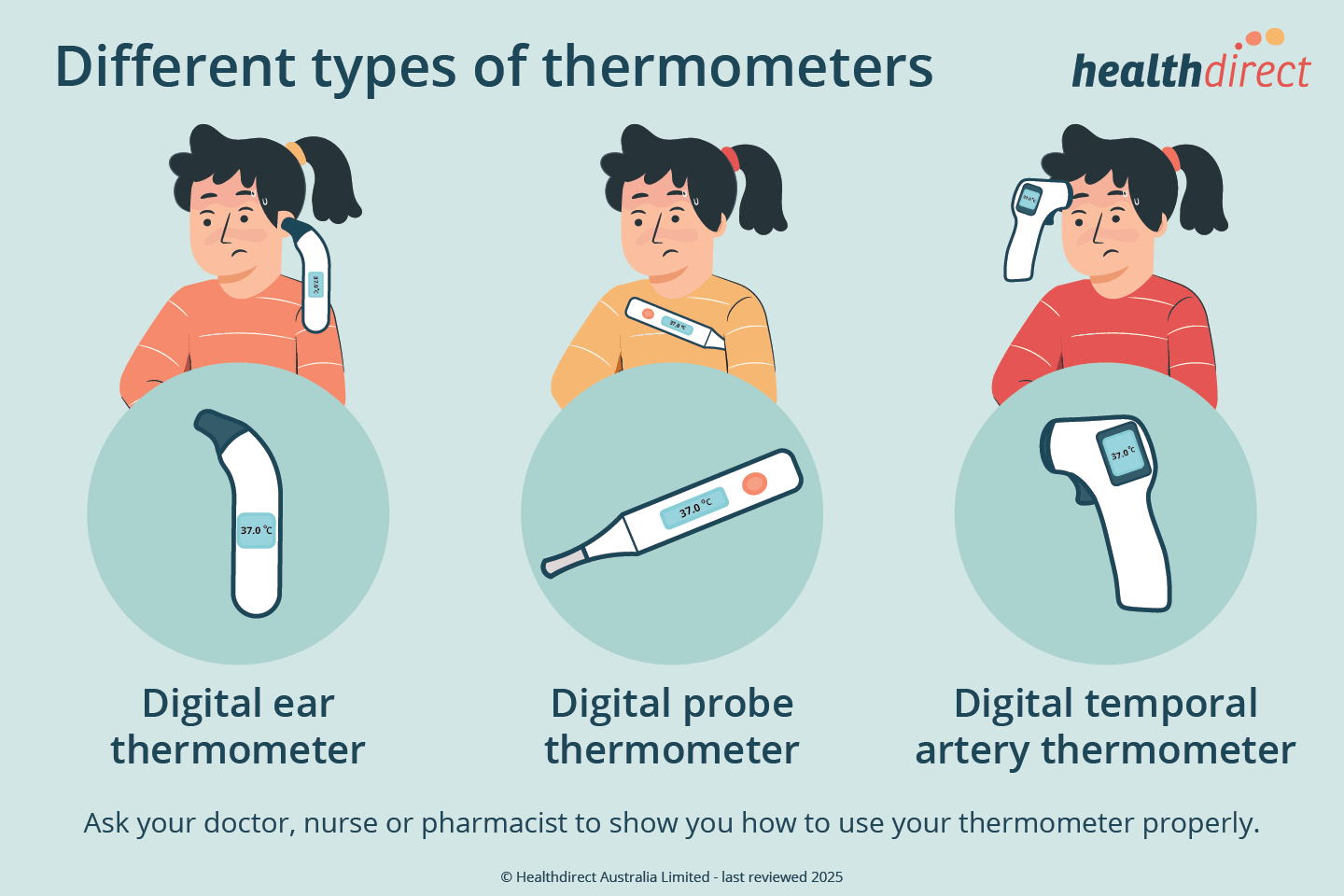
Thermometers
Feeling a child’s forehead is not an accurate way to determine fever. A reliable thermometer allows parents to monitor temperature properly and decide when medication or medical attention is required.
Digital thermometers and infrared forehead or ear thermometers are practical options for travel. Parents should familiarise themselves with proper usage before the trip to avoid confusion during stressful moments.
Cold, Flu, and Allergy Relief
Travel exposes children to new environments, air-conditioned spaces, dust, and crowded areas, which can trigger cold symptoms or allergies.
Useful items include saline nasal drops or spray, which are safe for infants and children, as well as a nasal aspirator for babies. If a child has been prescribed antihistamines previously, these can be included. Age-appropriate vapor rubs may also help relieve nasal congestion.
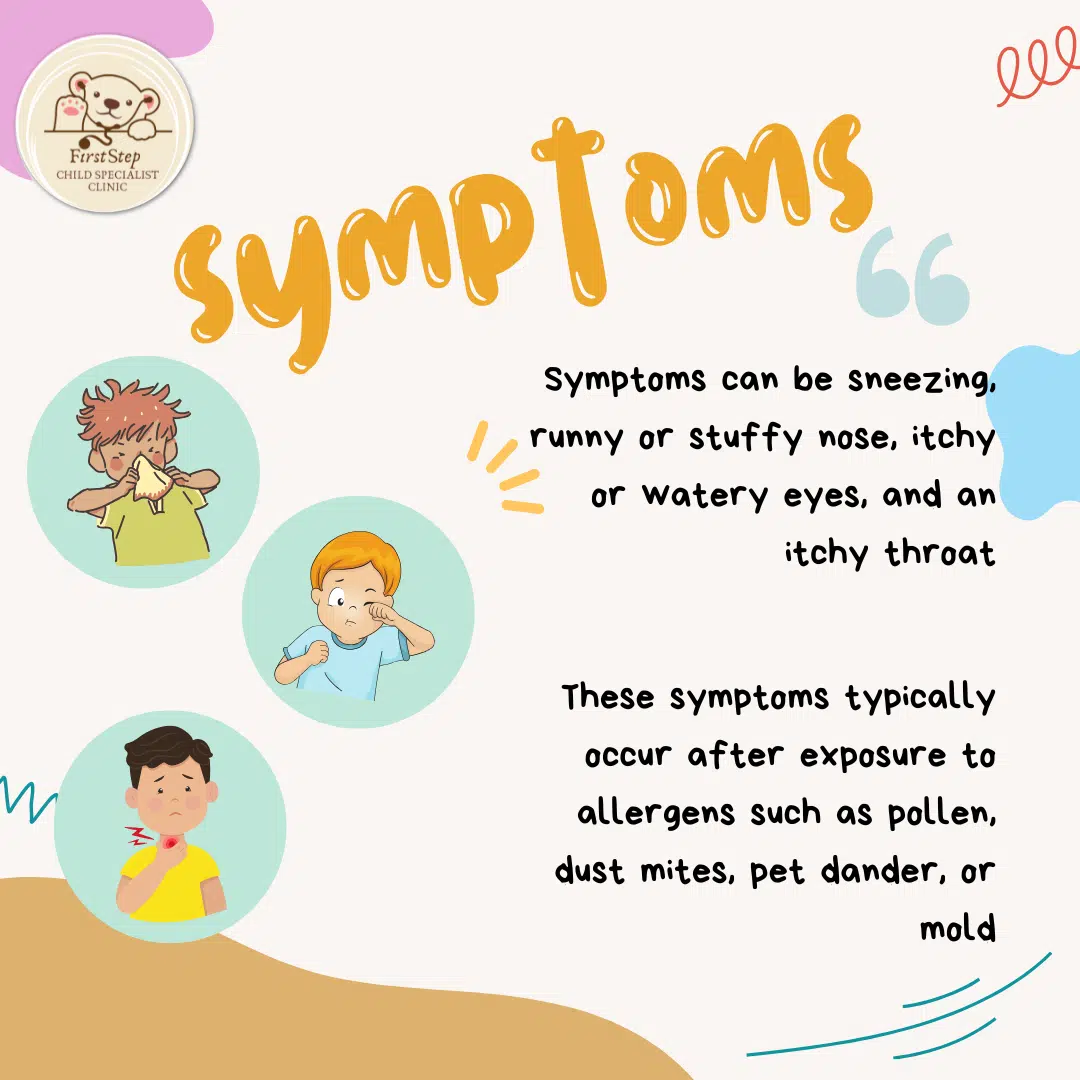
symptoms of allergy rhinitis
Over-the-counter cough and cold medications should be avoided unless recommended by a healthcare professional, particularly for children under six years of age.
Digestive Medications – For Unexpected Tummy Troubles
Changes in routine, unfamiliar food, and different water sources can increase the risk of vomiting or diarrhoea during travel.
Oral Rehydration Salts (ORS) are essential and should always be part of a child’s medical kit. Probiotics may be included if the child is already taking them regularly. Any medication for diarrhoea, reflux, or constipation should only be used if previously prescribed.
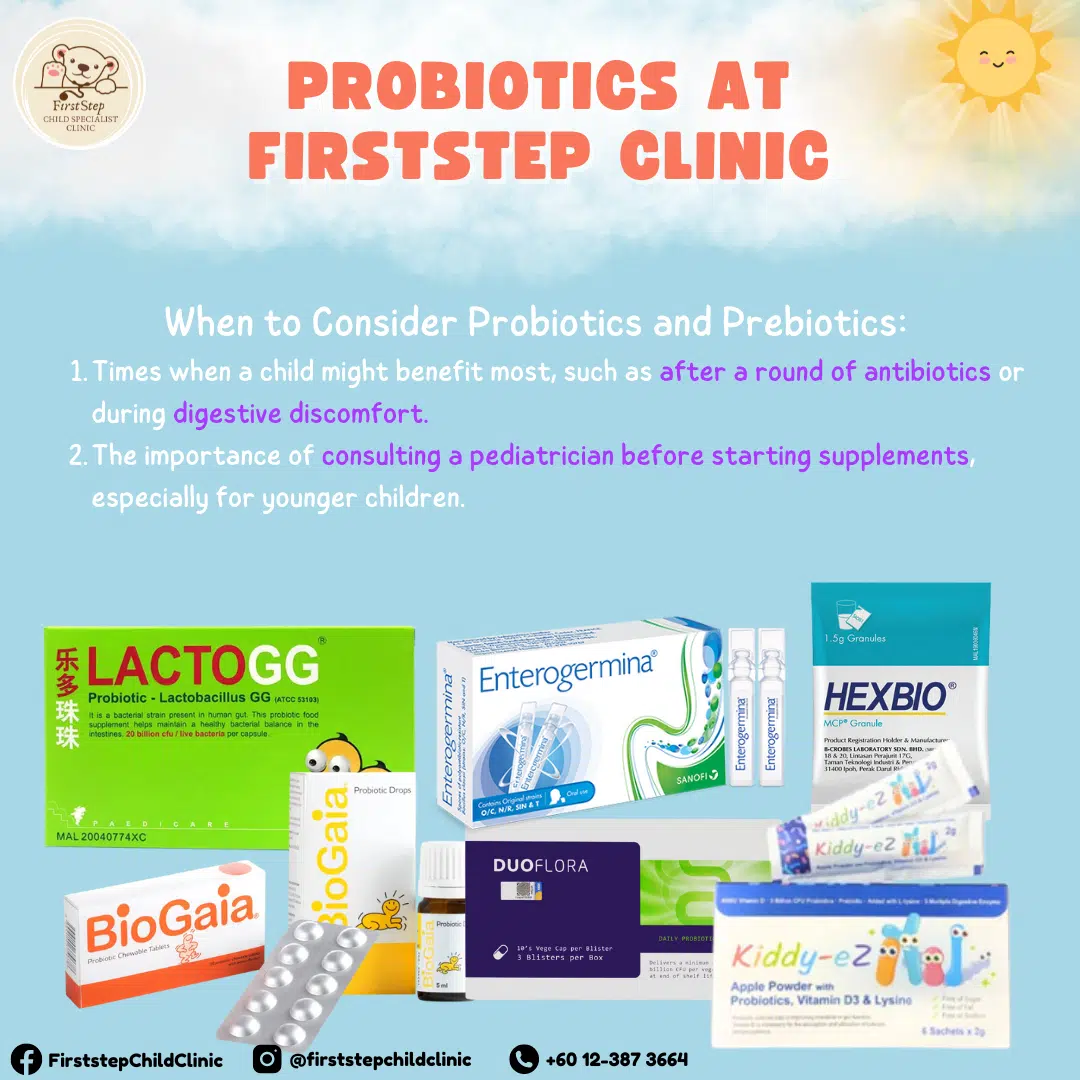
Probiotics and prebiotics for kids
Parents should remember that dehydration can occur quickly in young children. Early rehydration is key, and medical attention should be sought if symptoms persist or worsen.
Skin Care Essentials – Gentle Care Goes a Long Way
Children’s skin is delicate and more prone to irritation, rashes, insect bites, and sunburn, especially when travelling to hot or humid destinations.
A child-friendly moisturiser helps maintain skin hydration. Diaper rash cream is essential for babies and toddlers. Mild antiseptic cream, calamine lotion, or anti-itch cream can help manage minor skin issues. Child-safe sunscreen with at least SPF 30 and insect repellent suitable for children are also important.
For children with eczema or sensitive skin, prescribed creams should always be packed, even if the condition is currently under control.
First Aid Supplies – For Minor Injuries
Children love to explore, and minor injuries such as cuts, scrapes, and falls are common during holidays.
A basic first aid kit should include adhesive bandages, sterile gauze, adhesive tape, antiseptic wipes or solution, small scissors, and tweezers for splinters. Prompt cleaning and care of wounds help reduce the risk of infection.
Prescribed Medications – Never Leave These Behind
Children with chronic medical conditions require extra preparation. Prescribed medications should never be left behind.
This includes inhalers, spacers, or nebuliser equipment for asthma, epinephrine auto-injectors for severe allergies, long-term medications, and topical treatments. All medications should be clearly labelled, and a copy of the prescription or a medical letter is helpful, especially when travelling overseas.
Important medications should always be kept in hand luggage rather than checked baggage.
Medical Documents
Medical information can be crucial in emergencies. Carrying key documents can save time and reduce stress if medical care is needed.
Parents are advised to bring their child’s vaccination records, a list of known allergies, a brief medical summary for chronic conditions, travel insurance details, and contact information for their regular paediatrician.
Hygiene Essentials – Prevention Is Better Than Cure
Good hygiene plays a significant role in preventing illness, especially during travel.
Hand sanitiser, wet wipes, tissues, and optional disposable gloves are useful items. Parents should encourage regular handwashing, particularly before meals and after using public restrooms.
Special Considerations for Infants and Toddlers
Younger children require additional preparation. Teething gel or teething toys can help soothe discomfort. Feeding supplies such as formula, bottles, and sterilising tablets should be packed in sufficient quantities. Extra diapers, diaper disposal bags, pacifiers, and comfort items can help maintain routines and reduce stress for both child and parents.
Final Advice
A well-stocked medical kit does not replace medical care, but it equips parents to handle minor health issues confidently while travelling. Being prepared reduces anxiety, allows quicker response to symptoms, and helps ensure holidays remain enjoyable.
Before travelling, parents should check expiry dates, confirm correct medication dosages, and organise supplies in a waterproof, easily accessible pouch. If there is any uncertainty about what to pack, consulting a paediatrician before the trip is strongly recommended.
Most importantly, take time to enjoy your holiday. With proper preparation, you can focus on creating meaningful family memories while knowing your child’s health and safety are well taken care of.
Wishing you and your family safe, healthy, and happy travels.
Dr Soo Hui Fang