
Which Milk is Better for Toodlers?
🍼🥛Formula Milk vs Fresh Milk
By Dr. Soo Hui Fang
As children reach the age of one year, their nutritional requirements begin to change. During the first year of life, breast milk or infant formula usually provides the majority of essential nutrients. However, once your child turns 12 months, solid foods gradually take the lead as the main source of nutrition, and milk becomes a supportive drink rather than the primary meal.
This transition is crucial for several reasons. Toddlers have growing bodies and brains that require a wide range of nutrients—vitamins, minerals, protein, fiber, and healthy fats—that are difficult to obtain from milk alone. While milk is still beneficial, it should complement a balanced diet of solid foods.
Why Milk Remains Important
For most healthy toddlers, fresh full-cream milk is sufficient when combined with a well-balanced diet. It is a convenient source of several essential nutrients that help support your child’s overall growth and development.

Classification of processed food
1. Protein for Growth and Muscle Development
Protein is a building block for nearly every cell in the body. It plays a key role in muscle development, tissue repair, and maintaining a healthy immune system. Fresh milk contains high-quality, easily digestible protein, making it an excellent addition to a toddler’s diet. Toddlers who are active and curious explorers benefit from protein-rich foods to maintain energy levels and support their growing bodies.
2. Calcium for Strong Bones and Teeth
Calcium is critical for developing strong bones and teeth during early childhood. While it can also be obtained from foods like leafy green vegetables, fortified cereals, and tofu, milk remains one of the most convenient and reliable sources. Ensuring regular calcium intake helps prevent future issues such as weak bones or delayed dental development. Toddlers should receive an appropriate amount of calcium daily to support their rapid skeletal growth.
3. Healthy Fats for Brain Development
Full-cream milk contains healthy fats that are crucial for brain development, including cognitive skills and memory. These fats also assist in the absorption of fat-soluble vitamins (A, D, E, K), which are vital for overall health. Omega-3 fatty acids, while more abundant in foods like fish, are also present in small amounts in milk. These healthy fats support neural development and help your child’s brain function optimally during these critical early years.
When Toddler Formula Might Be Useful
Many parents are uncertain whether they should continue using formula milk after their child turns one year old. Toddler formulas, often marketed as “growing-up milk,” are not necessary for most children who eat a balanced diet.
However, there are certain circumstances where a formula may provide an advantage:
-
Poor weight gain – Some toddlers struggle to meet growth targets despite a balanced diet. Formula can provide additional calories and nutrients in these cases.
-
Very picky eaters – Toddlers who are highly selective about food may need formula to ensure they receive adequate nutrition.
-
Nutritional deficiencies – If a child is diagnosed with deficiencies in iron, vitamin D, or other key nutrients, formula may help supplement their intake.
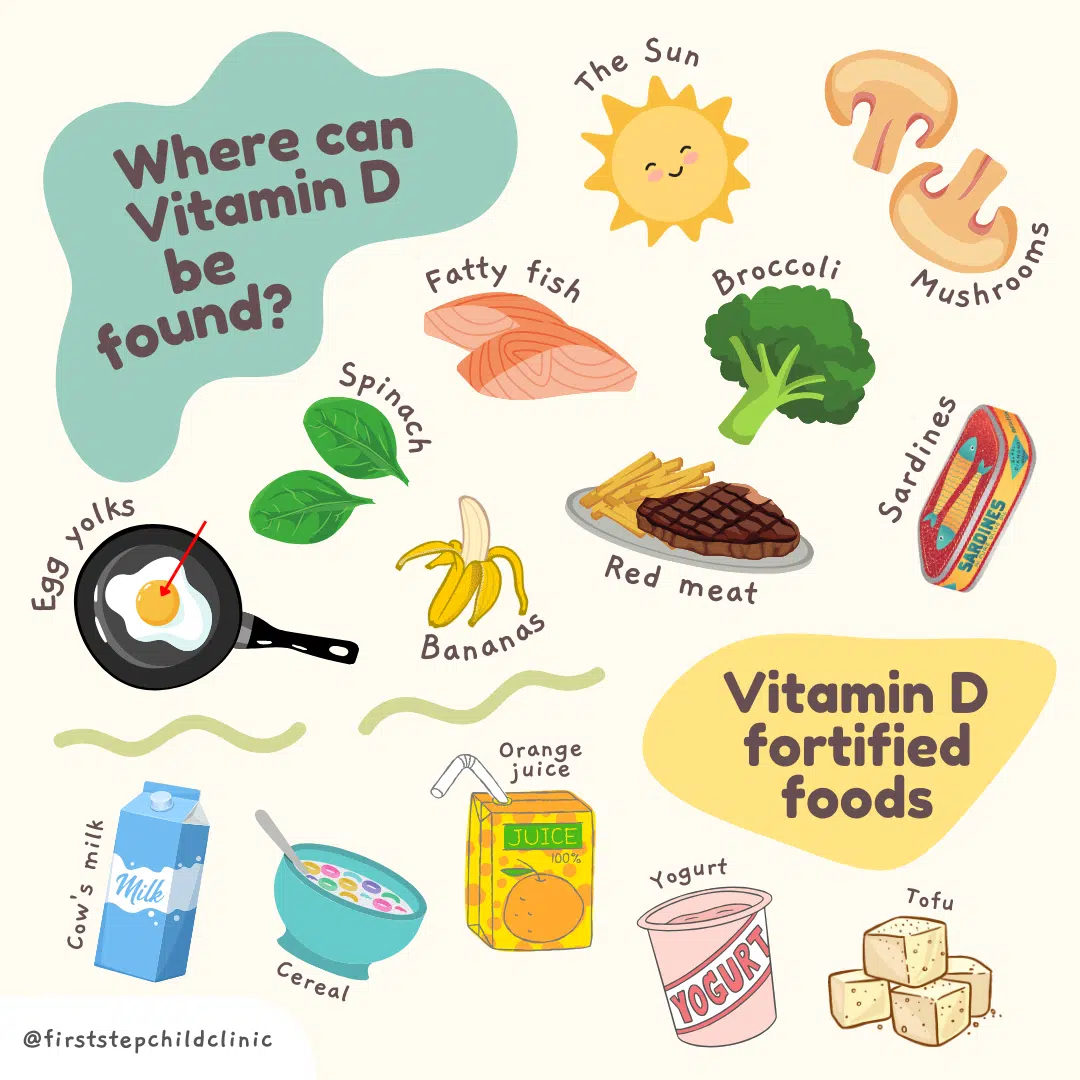
Vitamin D
-
Medical conditions – Certain chronic illnesses or gastrointestinal disorders may require formula under medical supervision.
It is important to note that not all formulas are created equal. Some contain added sugars, flavors, or ingredients that are unnecessary for healthy children. Therefore, their use should be selective and guided by a pediatrician.
Potential Risks of Excessive Milk Consumption
While milk is beneficial, excessive intake—whether from formula or fresh milk—can be harmful. Common issues include:
1. Reduced Appetite for Solid Foods
Toddlers have small stomachs. If they consume large amounts of milk, they may eat less solid food, limiting their exposure to important nutrients found in fruits, vegetables, grains, and proteins. Encouraging a variety of solid foods is crucial for establishing healthy eating habits.
2. Iron Deficiency
Too much milk can interfere with iron absorption and increase the risk of iron deficiency anemia. Milk is naturally low in iron, and overconsumption can displace iron-rich foods in the diet. Iron is vital for cognitive development, energy, and overall growth, making balanced intake essential.
Practical Guidelines for Parents
To optimize your toddler’s nutrition, consider the following practical tips:
-
Limit total milk intake to 400–500 ml per day. This is usually sufficient to provide calcium, protein, and fats without displacing solid foods.
-
Offer a variety of nutrient-rich solid foods, including vegetables, fruits, grains, legumes, and proteins like eggs, poultry, fish, or tofu.
-
Use milk as a complement to meals and snacks, not as a meal replacement. For example, offer a small cup of milk after a balanced meal.
-
Encourage mealtime routines and family meals to expose toddlers to different tastes and textures. This can help prevent picky eating habits from developing.
-
Monitor your child’s growth patterns using growth charts and consult your pediatrician if you notice inadequate weight gain, persistent picky eating, or other nutritional concerns.
Tips for Introducing Milk in a Balanced Diet
-
Serve milk alongside meals rather than before, so toddlers are more likely to eat their solid foods first.
-
Offer a variety of textures and flavors in solid foods to make meals appealing.
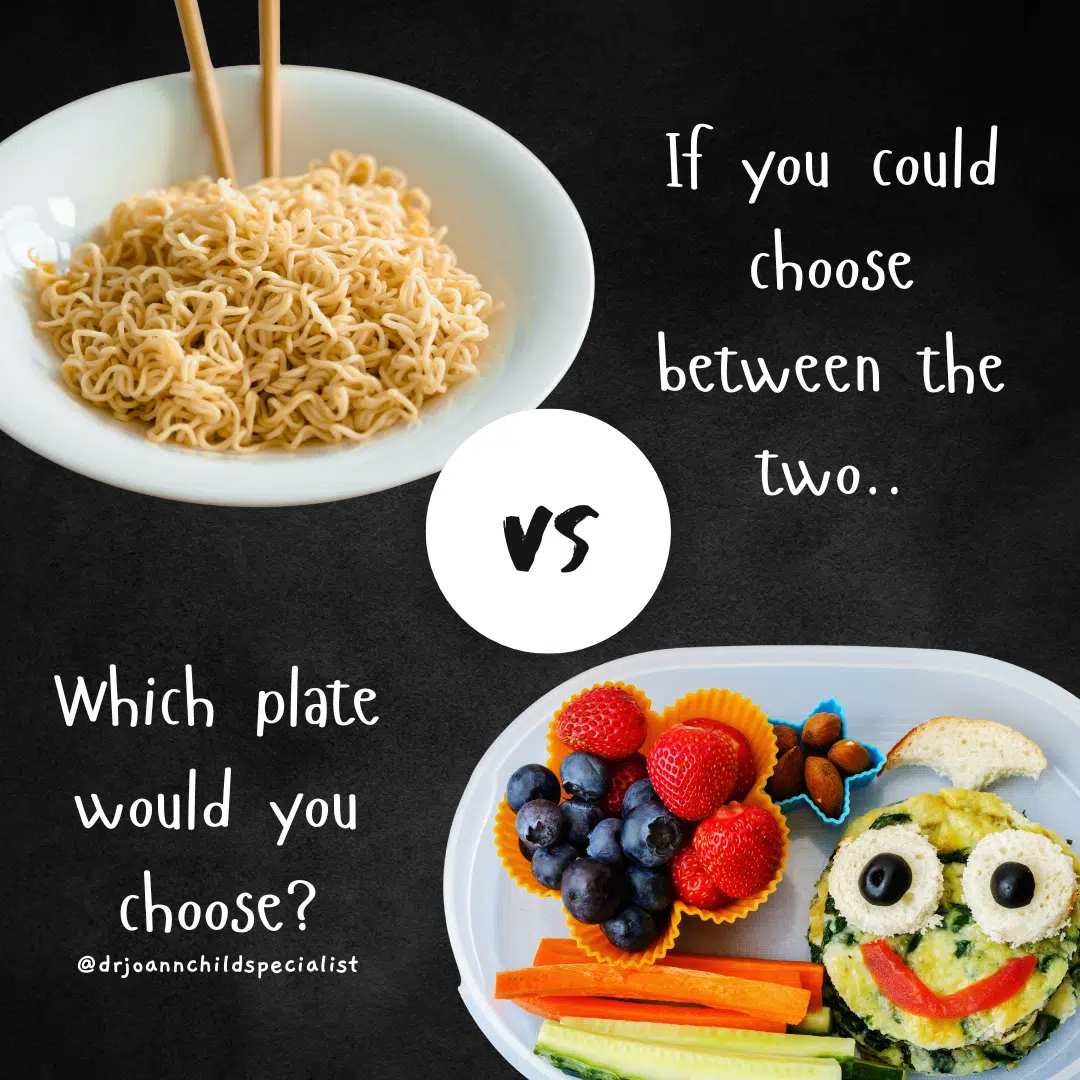
Which plate would you choose?
-
Avoid using milk as a reward or comfort substitute, as this can reinforce excessive consumption.
-
If your child refuses certain foods, offer small amounts repeatedly rather than giving up entirely. Over time, toddlers often accept new foods.
Conclusion
Milk is an important component of a toddler’s diet, but it should never replace solid foods. Fresh full-cream milk combined with a balanced diet is sufficient for most healthy toddlers. Toddler formulas are useful only in selected cases, such as poor weight gain, very picky eating, or nutritional deficiencies, and should be used under medical guidance.
The key takeaway for parents is to make real foods the foundation of your toddler’s diet, with milk as a supportive component. This ensures your child develops healthy eating habits, receives adequate nutrition, and grows strong, smart, and healthy.
By following these recommendations, parents can confidently navigate their child’s nutritional needs and support healthy growth during this important stage of development.

Dr Soo Hui Fang