Can Swimming Make Your Child Sick?
Swimming .. Make Your Child Sick?
By Dr Joann
Swimming is one of the most enjoyable and beneficial physical activities for children. It helps develop strength, coordination, and endurance, while also being a fantastic way to burn energy and keep fit. Many parents encourage their children to swim regularly, not only for exercise but also for social interaction and fun. However, as much as swimming is healthy, it is important to remember that it can also carry certain health risks if proper precautions are not taken.
Recently, there have been several children who tested positive for influenza in the clinic, yet none had clear sick contacts at home or school. Upon closer investigation, one common factor stood out: all had been swimming shortly before falling ill. While swimming itself is not the direct cause of illness, this scenario highlights an important lesson that many parents may overlook: children, even with mild symptoms, can catch or spread infections in swimming environments, especially crowded indoor pools.
How Do Children Get Infections from Swimming?
Many parents assume that swimming is completely safe, especially in chlorinated water. While chlorine and other disinfectants reduce the risk of infection, they do not eliminate it entirely. The risk arises not just from the water itself, but from the environment surrounding swimming: locker rooms, shared equipment, and the close contact children have with each other. Respiratory viruses and other pathogens can spread easily in these settings, particularly in indoor pools with high humidity and limited ventilation.
Children can pick up a variety of infections from swimming facilities, including:
-
Respiratory viruses – Influenza, respiratory syncytial virus (RSV), and adenovirus are common culprits. These viruses are easily transmitted through droplets when an infected child coughs, sneezes, or even talks. Crowded pools and changing rooms facilitate the spread.
-

influenza vs common cold
Stomach bugs – Pathogens such as norovirus or E. coli can be transmitted through swallowing contaminated water or contact with surfaces.
-
Eye infections – Conjunctivitis (pink eye) can develop due to exposure to contaminated water or shared towels.
-
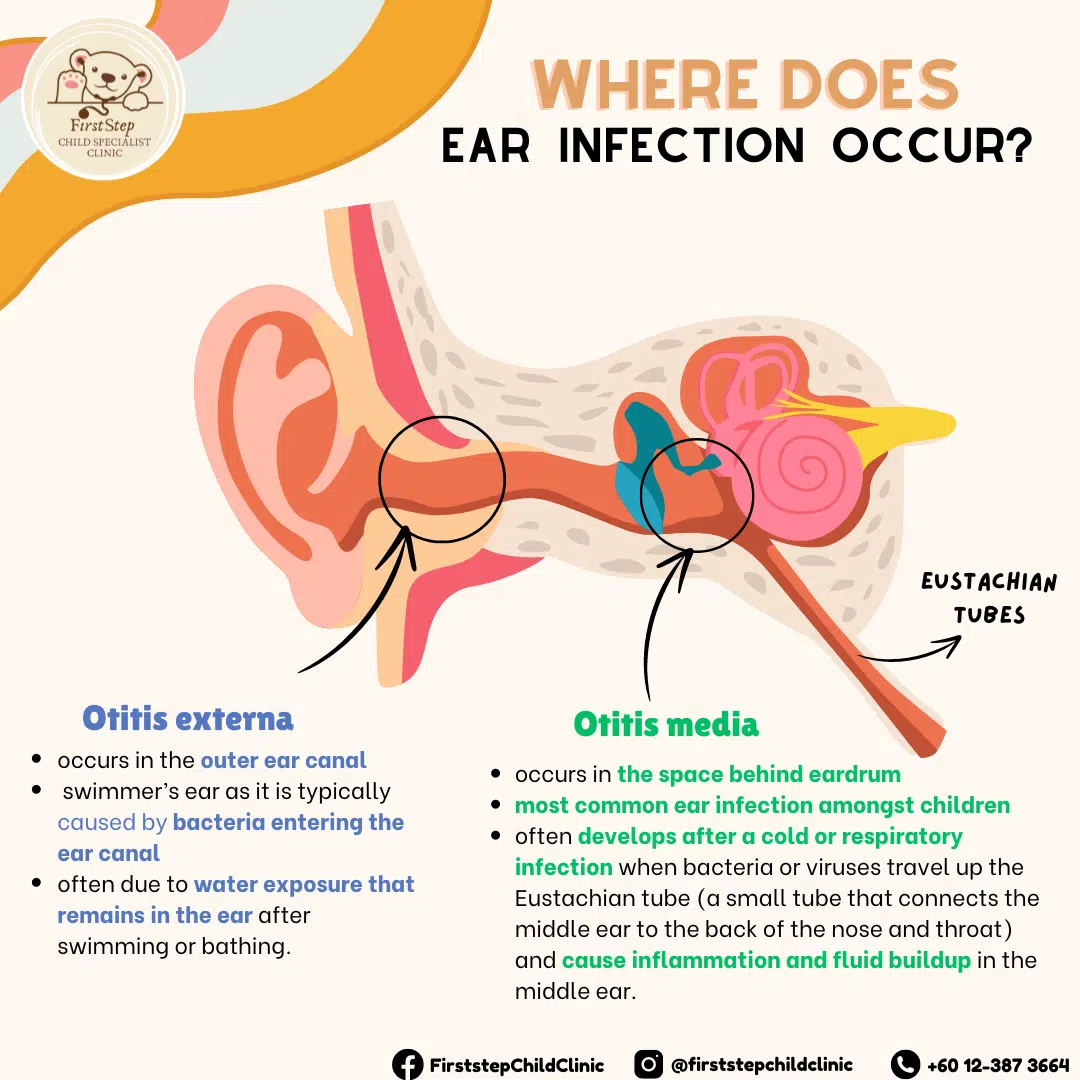
Ear infections – Swimmer’s ear (otitis externa) occurs when water trapped in the ear canal allows bacteria to grow.

-
ear infection
Skin infections and rashes – Fungal and bacterial skin infections, including athlete’s foot and impetigo, can develop from prolonged exposure to wet surfaces or contact with infected individuals.
Chlorine in swimming pools does reduce the presence of many microbes, but the effect is not instantaneous. Additionally, the shared facilities in crowded swimming areas, such as showers, benches, and lockers, increase the likelihood of transmission, especially for respiratory viruses that thrive in humid, enclosed environments.
Why Mild Symptoms Still Matter
It is common for parents to assume that if their child has only a slight cough or a mild runny nose, it is safe for them to swim. However, even minor symptoms can indicate that a child is contagious. Respiratory viruses like influenza and RSV can spread before more severe symptoms appear. Allowing a child with mild symptoms to swim in a crowded pool increases the risk of infecting other children and adults.
A small cough or slight congestion may seem harmless, but in reality, children with these symptoms can release infectious droplets into the air, contaminate surfaces, and pass on pathogens in shared facilities. This is why even mild illness should be taken seriously when considering swimming.
Benefits of Keeping Unwell Children at Home
While it may be disappointing for a child to miss a swimming session, keeping unwell children at home has several benefits:
-
Protects others – Children often interact closely with others at pools, touching shared equipment, playing in the water, and sitting next to each other in changing rooms. Keeping a sick child at home helps prevent the spread of infections to classmates, friends, and family members.
-
Reduces community transmission – Pool facilities and schools are common hubs for infectious diseases. A single infected child can contribute to outbreaks if precautions are not taken.
-
Allows your child to recover faster – Rest and proper care are essential for recovery. Swimming or engaging in other strenuous activities while sick can delay healing and worsen symptoms.
It is important to remember that swimming is not inherently dangerous for healthy children. In fact, regular swimming provides excellent physical exercise, enhances cardiovascular health, and supports social development. The key is to ensure that children swim only when they are healthy, and that pool facilities maintain high standards of hygiene.
Practical Tips for Parents
To minimize the risk of infections associated with swimming, parents can follow these practical tips:
-
Do not let sick children swim – Even mild symptoms, such as a low-grade fever, runny nose, or slight cough, warrant staying home.
-
Encourage frequent handwashing – Children should wash their hands thoroughly before and after swimming, especially after using toilets and changing areas.
-
Rinse before entering the pool – Showering before swimming helps reduce contamination in the water.
-
Avoid swallowing pool water – Teach children not to swallow water from pools, especially in public or crowded facilities.
-
Keep personal items separate – Towels, goggles, and swim gear should not be shared.
-
Monitor pool hygiene – Choose swimming facilities that maintain proper chlorine levels and are cleaned regularly.
-
Watch for post-swim symptoms – If your child develops a cough, fever, or diarrhea after swimming, monitor closely and seek medical advice if needed.
Understanding Indoor vs. Outdoor Pools
Indoor pools often present a higher risk of respiratory infections compared to outdoor pools. The enclosed space, humidity, and limited ventilation in indoor pools create an environment where viruses can spread more easily. Outdoor pools, with better air circulation and sunlight exposure, may reduce this risk. However, proper hygiene and keeping unwell children out of any swimming environment are still essential precautions.
Conclusion
Swimming is a wonderful activity that promotes physical, social, and emotional development in children. It is generally safe and healthy, provided that children are healthy and swimming facilities follow proper hygiene protocols.
However, parents must remember that even mild illness can make a child contagious. Crowded pools, shared changing rooms, and humid indoor environments can increase the risk of spreading respiratory viruses, gastrointestinal infections, eye infections, and other illnesses. Keeping unwell children at home protects others, reduces community transmission, and allows your child to recover more quickly.
The advice is simple: enjoy the pool, but be mindful of your child’s health. A “slight cough” or “just a runny nose” may seem minor, but it can still spread infections in a crowded swimming environment. Prioritize rest and recovery at home if your child is unwell, and they can return to swimming once fully healthy—ensuring both their safety and that of others around them.
Swimming itself remains a fantastic form of exercise and play. By taking these precautions, parents can ensure that their children enjoy the many benefits of swimming without unnecessary health risks.
Stay safe, swim smart, and keep your little ones healthy! 🌟

Dr Joann Rajah