Does Stomach Flu Mean No Milk at All?
Stomach flu and Milk
By Dr Soo
When children develop stomach flu — often caused by viral gastroenteritis — parents naturally become worried about what their little ones can or cannot eat. One of the most common questions received in the clinic is:
“Do I need to stop giving milk completely?”
The short answer is not necessarily. The long answer depends on your child’s age, the type of milk they drink, and the severity of their diarrhea. Understanding how the gut behaves during and after a stomach infection can help parents make safe and informed decisions while ensuring their child receives the nutrition and hydration they need.
Understanding Stomach Flu and Lactose Sensitivity
Stomach flu — more accurately called viral gastroenteritis — causes inflammation of the stomach and intestines. This leads to symptoms such as vomiting, diarrhea, abdominal pain, bloating, and reduced appetite.
During an infection, the gut lining becomes temporarily irritated.
This irritation can reduce the body’s ability to digest lactose, the natural sugar found in milk. When lactose isn’t properly broken down, it can draw water into the intestines and worsen diarrhea, gas, and stomach discomfort. This condition is known as temporary lactose intolerance, and it is common, especially in young children.
However, temporary lactose sensitivity is not the same as a milk allergy, and it does not mean milk must be eliminated completely. The key is matching milk intake to the child’s age and the severity of diarrhea.
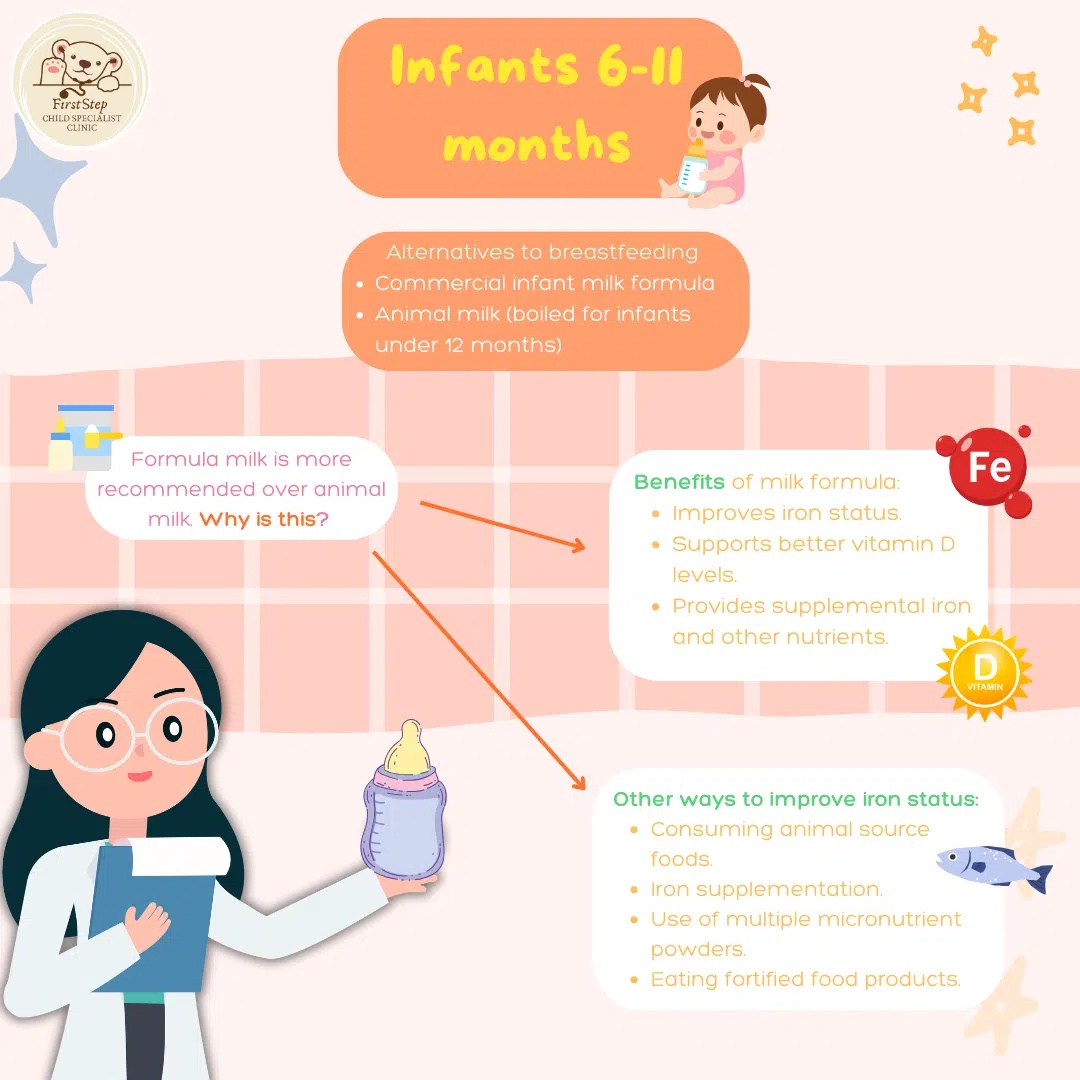
Recommended Milk
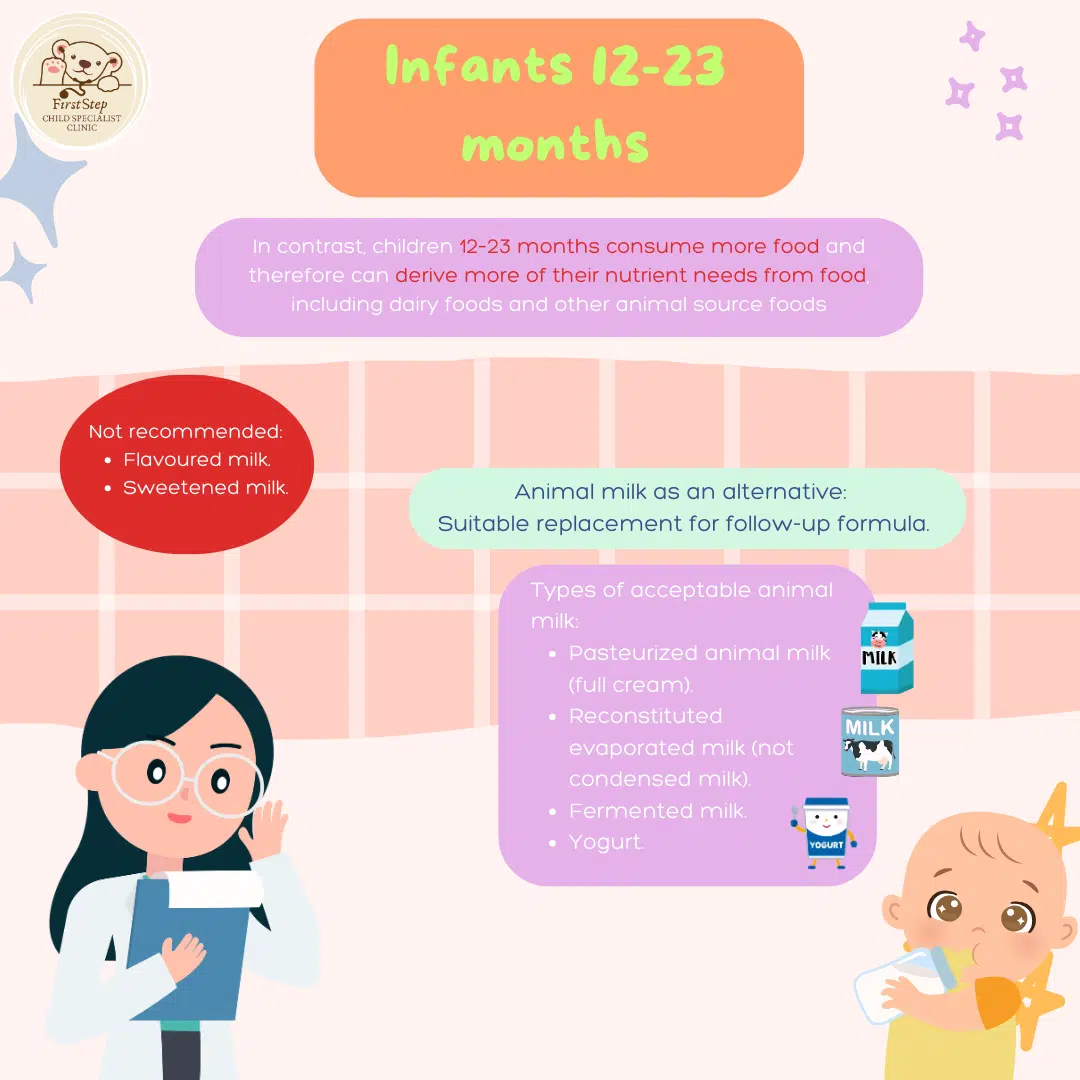
Recommended Milk
Milk and Infants (<1 year old)
For babies younger than one year, milk (breast milk or formula) is their main source of nutrition. Stopping milk abruptly can lead to dehydration, malnutrition, and unnecessary stress for both the baby and parents. Therefore, the recommendations for infants are clear and consistent.
1. Breastfed babies
Breastfeeding should continue as usual, even during episodes of vomiting and diarrhea.
Breast milk provides:
-
Easily digestible nutrients
-
Immune-boosting antibodies
-
The right balance of fluids and electrolytes
Breast milk also helps the gut heal faster. There is never a reason to stop breastfeeding because of diarrhea.
2. Formula-fed babies
Formula feeding can also continue normally in most cases.
However, if the diarrhea is:
-
Very watery, and
-
Lasts more than 7–10 days,
the baby’s gut may struggle to digest lactose temporarily. In such cases, a short-term switch to a lactose-free formula may help until the intestines recover. This change is temporary — most babies return to their usual formula once stools improve.
It is important to avoid unnecessary formula changes without medical advice, as frequent switching can irritate the stomach further.
Milk and Toddlers (1–3 years old)
Toddlers often eat a combination of solid food and milk, so managing their nutrition requires a more flexible approach.
1. Mild diarrhea
If the diarrhea is mild:
-
Continue regular milk
-
Offer smaller amounts more frequently
-
Encourage water and oral rehydration solution (ORS)
Most toddlers tolerate their usual milk without issues during mild stomach flu.
2. Moderate to severe diarrhea
When diarrhea becomes more severe or prolonged, toddlers may temporarily struggle with lactose. Signs include:
-
Worsening diarrhea after milk
-
Bloating or gassiness
-
Stomach discomfort
To give the gut time to heal, you may consider:
-
Lactose-free milk, or
-
Soy milk
These options are typically easier on the digestive system during recovery. Such adjustments are usually only needed for 1–2 weeks.
3. What to avoid
Sweetened or flavored milk — including chocolate milk, strawberry milk, or other sugary drinks — can worsen diarrhea. Added sugar draws more water into the intestines and may prolong recovery.
Milk and Older Children (>3 years old)
Children above three usually have more resilient digestive systems, but they can still develop temporary lactose sensitivity during stomach flu.
Once their appetite starts to return, they can usually resume milk intake gradually. However, if you notice:
-
Diarrhea worsens after drinking milk
-
They complain of stomach cramps
-
They feel bloated or gassy
Then it may be helpful to pause regular milk for a few days. During this time, consider alternatives such as:
-
Lactose-free milk
-
Soy milk
-
Yogurt (with live cultures) — its probiotics may support gut recovery
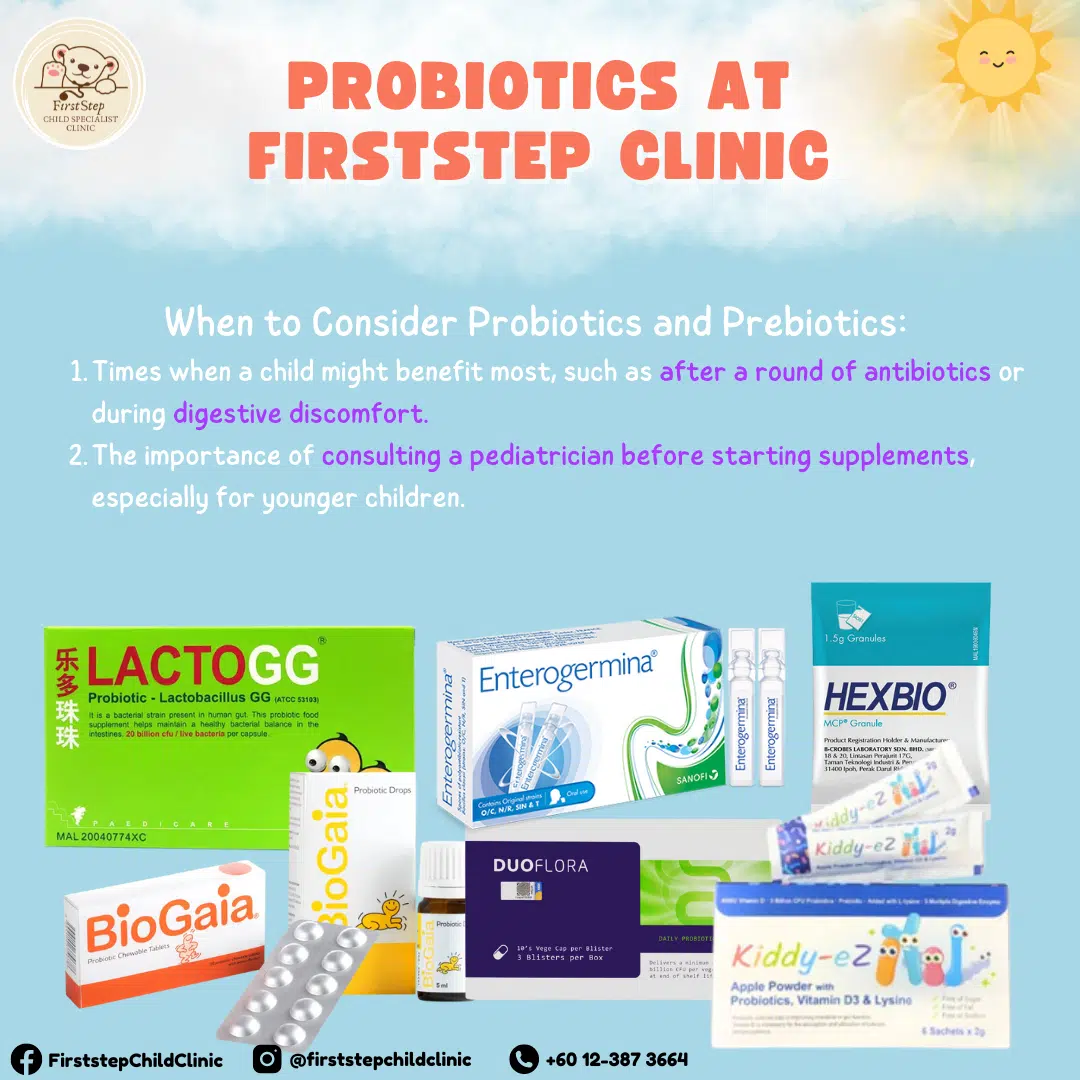
Probiotics and prebiotics for kids
Focus on hydration first, especially in the first 24–48 hours when symptoms tend to be most severe.
Good options include:
-
ORS
-
Clear soups
-
Coconut water (in moderate amounts)
-
Plain water for older children
Signs That Your Child Might Need a Temporary Milk Adjustment
Regardless of age, watch for these signs of temporary lactose intolerance:
-
Diarrhea becomes more watery after milk
-
Bloating increases
-
Excessive gas
-
Discomfort soon after drinking
-
Persistent diarrhea despite improved appetite
These symptoms usually improve once lactose intake is reduced for a short period. Most children recover fully within 1–2 weeks.
If symptoms last beyond two weeks, consult your doctor to rule out lingering gut irritation or other infections.
So… Does Stomach Flu Mean No Milk at All?
Stomach flu
The simple answer is: No.
Milk is not forbidden during stomach flu. However, your child’s gut may temporarily need a rest from lactose if the diarrhea is severe or lasts longer than usual.
Here is the quick summary:
-
Infants: Breastfeeding and formula can continue. Consider a lactose-free formula only if diarrhea is watery and prolonged.
-
Toddlers: Continue milk during mild diarrhea; consider lactose-free or soy milk for moderate or severe symptoms.
-
Older children: Resume milk once appetite returns; switch temporarily if symptoms worsen with milk.
Milk remains an important source of nutrition, and with the right approach, your child can continue to receive the calcium, protein, and energy they need while recovering.