
School Is Starting
School’s In! What Parents Need to Know
By Dr. Soo Hui Fang
Happy New Year to all parents and children! ✨
As the school year begins, many families focus on practical preparations such as new uniforms, stationery, school bags, and schedules. While these are important, a smooth and successful transition back to school goes far beyond logistics. A child’s physical health, emotional readiness, daily routine, and family environment all play crucial roles in shaping how well they adapt to the new school term.
From a paediatrician’s perspective, the start of school is one of the most important times to recalibrate habits that may have shifted during the holidays. Below are key areas parents should look out for to help their children begin the school year healthy, confident, and ready to learn.
Rebuilding a Healthy Sleep Routine
Sleep is one of the most underestimated foundations of a child’s health. During school holidays, bedtime often becomes later and wake-up times less consistent. While this may seem harmless, poor sleep routines can significantly affect a child’s concentration, mood, immunity, and behaviour once school resumes.
Children who do not get enough sleep may struggle to focus in class, become irritable or emotional, fall sick more easily, or experience headaches and fatigue. Ideally, bedtime should be adjusted one to two weeks before school starts, gradually moving earlier by 15 to 30 minutes every few days. This allows the child’s body clock to reset naturally.
A calming bedtime routine is equally important. Parents should encourage a consistent bedtime and wake-up time, even on weekends, and limit screen exposure at least one hour before sleep. Quiet activities such as reading or listening to soft music help the body prepare for rest. A well-rested child is more alert, emotionally regulated, and better prepared to meet school demands.
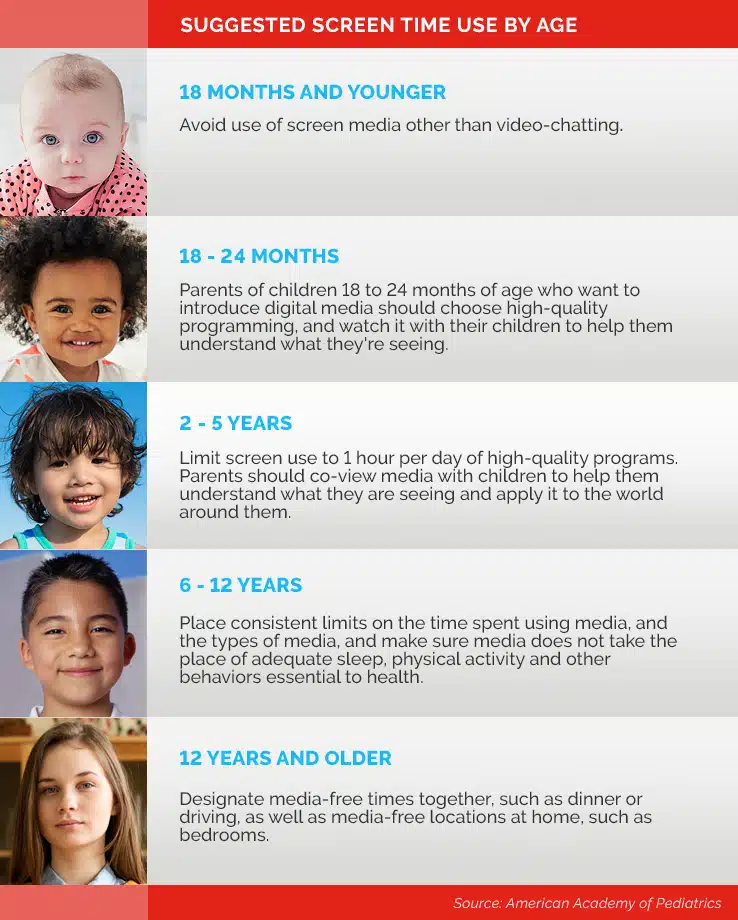
National guidelines for screentime
Nutrition and Hydration: Fuel for Learning and Immunity
School-going children require adequate nutrition to support growth, learning, and immunity. Breakfast plays a crucial role in providing energy for the day. Children who skip breakfast may feel tired, hungry, or unfocused during lessons.
A balanced breakfast should include a source of protein such as eggs, milk, yoghurt, or peanut butter, combined with complex carbohydrates like whole grains or oats, and fruits or vegetables for vitamins and fibre. This combination helps maintain stable energy levels throughout the morning.
Hydration is equally important. Mild dehydration can lead to headaches, fatigue, and reduced concentration. Parents should encourage children to bring their own water bottles to school and remind them to drink water regularly. While treats are part of childhood, excessive sugary snacks and drinks may cause energy crashes and affect attention span, so moderation is key.
Strengthening Hygiene Habits
As children return to school, they are naturally exposed to more germs due to close contact and shared environments. This exposure helps build immunity over time, but good hygiene habits reduce unnecessary infections.
Parents should reinforce simple practices such as washing hands with soap and water before meals and after using the toilet, avoiding sharing water bottles or utensils, and covering the mouth and nose when coughing or sneezing. Proper handwashing remains more effective than frequent use of hand sanitisers. Overuse of sanitiser is not necessary and may cause skin irritation in some children.
Teaching children these habits empowers them to take responsibility for their own health while keeping illness at bay.
Emotional Readiness and Mental Well-Being
The return to school brings mixed emotions. Some children feel excited to meet friends and teachers, while others may feel anxious, clingy, or overwhelmed, especially younger children or those entering a new school environment.
Common emotional challenges include separation anxiety, fear of new routines, and worries about academic or social performance. Parents can support emotional readiness by listening attentively, validating their child’s feelings, and speaking positively about school while acknowledging concerns.
Maintaining calm, predictable morning routines helps reduce stress. Rushing or tense mornings can increase anxiety, whereas a supportive and reassuring environment builds confidence. If emotional distress persists or interferes with daily functioning, professional advice may be beneficial.
Resetting Screen Time Habits
During school holidays, screen time often increases. Excessive screen use can affect sleep quality, attention span, and behaviour. As school resumes, screen time should be reduced gradually rather than abruptly.
Parents can set clear and consistent limits, encourage offline activities such as reading or outdoor play, and avoid screen use during meals and before bedtime. Reducing evening screen exposure is especially important, as blue light can interfere with sleep patterns. A healthy balance supports better focus, behaviour, and overall well-being.
Watching Out for Early Signs of Illness
The first few weeks of school often see an increase in minor illnesses such as colds, coughs, and viral fevers, especially among younger children. This is common as children adapt to group settings.
Parents should monitor for persistent fever, prolonged cough, breathing difficulties, reduced appetite, or decreased activity levels. While most mild illnesses resolve on their own, timely medical review is important if symptoms worsen or do not improve. Keeping vaccinations up to date also helps protect children as they return to school.

influenza vs common cold
A Healthy Start Sets the Tone for the Year Ahead
Starting school is not just an academic transition but an important developmental phase. When children are physically healthy, emotionally supported, and well-rested, they are more confident, resilient, and ready to learn.
By focusing on sleep routines, nutrition, hygiene, emotional well-being, and screen habits, parents can make a meaningful difference. Small, consistent efforts at the beginning of the year often prevent bigger challenges later on.
At Firststep Child Specialist Clinic, we are committed to supporting children and families through every stage of growth and development. If you have concerns about your child’s health or adjustment as school begins, do not hesitate to seek professional advice.
A healthy start builds confidence, resilience, and a happier school year for both children and parents.