
Why Breakfast Matters
Breakfast For Children
By Dr Soo Hui Fang
Mornings can be hectic for many families. Between getting children dressed, packing school bags, and beating traffic, breakfast is often the first thing to be skipped. Some parents assume their child can “eat later at school,” while others worry their child has no appetite early in the morning.
However, breakfast is far more than just a morning routine. It plays a critical role in a child’s physical growth, brain development, emotional regulation, and long-term health. As a paediatrician, I often remind parents that what children eat — or don’t eat — in the morning can influence how they learn, behave, and grow throughout the day.
Breakfast Fuels the Growing Brain
After a full night of sleep, a child’s body has gone many hours without food. Blood sugar levels are naturally low in the morning, and the brain — which uses glucose as its main source of energy — needs refuelling to function well.
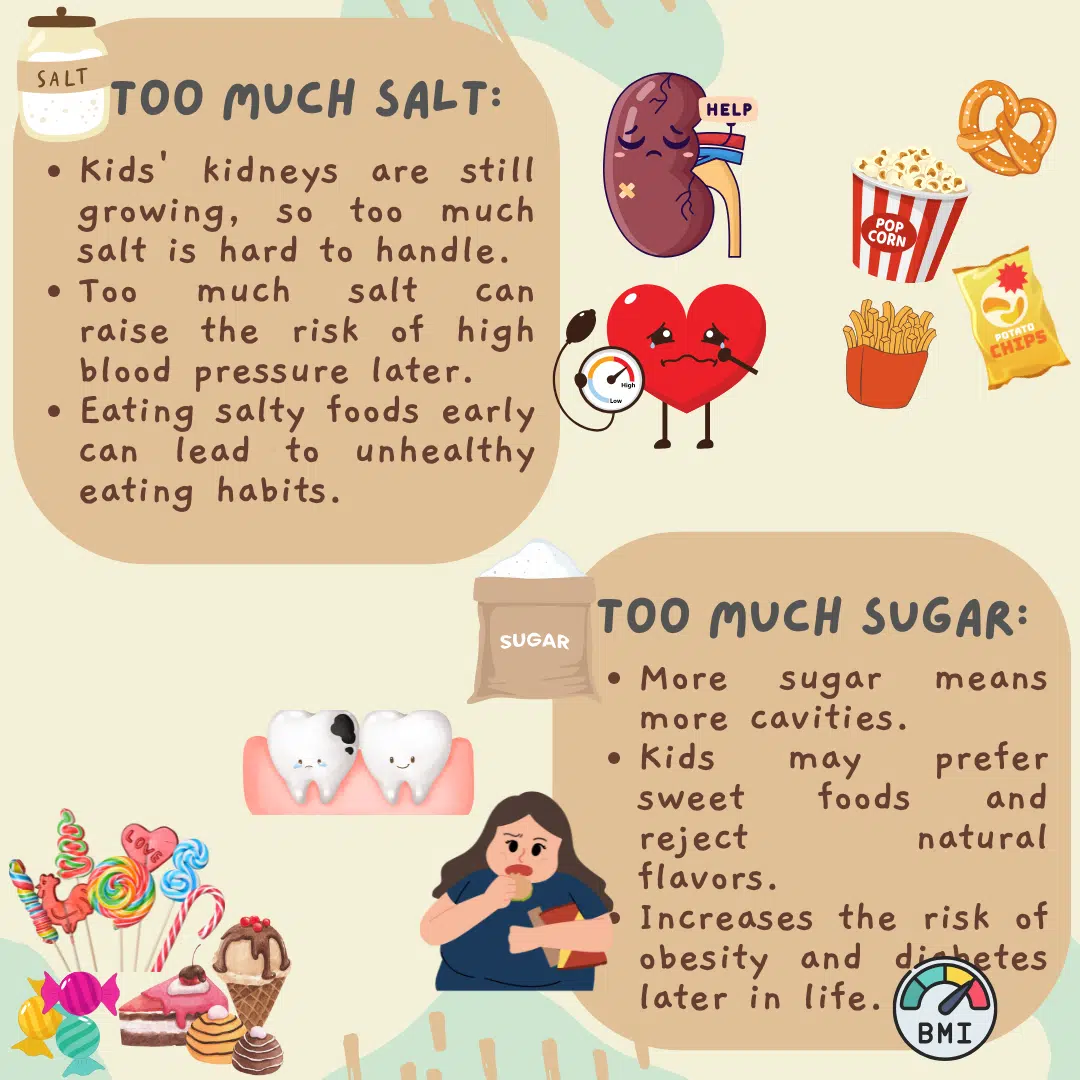
Less Salt and sugar
Children who eat breakfast tend to:
-
Concentrate better in class
-
Perform better in learning and problem-solving tasks
Without breakfast, many children feel tired, restless, or distracted during lessons. Teachers may notice reduced focus or slower thinking, especially during morning classes. For school-going children, breakfast is essentially brain fuel that prepares them for learning.
Steady Energy and Better Mood Throughout the Day
Skipping breakfast often leads to a sharp drop in energy levels by mid-morning. Children may become:
-
Easily irritable or cranky
-
Physically tired
-
Complaining of hunger, headaches, or dizziness
These symptoms are not signs of laziness or poor behaviour — they are often the body’s response to low blood sugar. When children eat breakfast, they are more likely to have stable energy levels and better emotional control, helping them cope with school demands and social interactions.
A well-fed child is simply better equipped to manage stress, transitions, and challenges during the day.
Supports Healthy Growth and Strong Immunity
Childhood is a period of rapid growth. Height, muscle development, bone strength, and immune function all depend on consistent daily nutrition. Breakfast contributes significantly to a child’s overall nutrient intake.
Children who regularly eat breakfast are more likely to meet their daily requirements for:
-
Protein (for muscle and tissue growth)
-
Calcium and vitamin D (for strong bones and teeth)
-
Iron (for healthy blood and energy)
-
Vitamins and minerals that support immunity

The Importance of Vitamin D
Skipping breakfast repeatedly may lead to nutritional gaps, especially in picky eaters or children with smaller appetites later in the day.
Builds Healthier Eating Habits Long-Term
Breakfast habits established in childhood often continue into adulthood. Children who eat breakfast regularly are:
-
Less likely to overeat later in the day
-
Less likely to snack excessively on sugary or processed foods
-
More likely to maintain a healthy weight
On the other hand, children who skip breakfast may feel extremely hungry later, leading to poor food choices such as sweet drinks, biscuits, or fast food. Over time, this pattern increases the risk of obesity, poor metabolic health, and unhealthy relationships with food.
What Makes a Good Breakfast?
A good breakfast does not need to be complicated, expensive, or Instagram-worthy. The goal is balance and consistency.
An ideal breakfast includes:
-
Protein – eggs, milk, yoghurt, peanut butter, cheese, or soy products
-
Carbohydrates – bread, rice, oats, cereal, or noodles
-
Fruits – fresh fruit or fruit added to meals
Examples of simple, practical breakfasts:
-
Bread with egg and a glass of milk
-
Oats with fruit and yoghurt
-
Rice with egg or fish
-
Cereal with milk and banana
Even a small meal is better than skipping breakfast entirely. If your child has a small appetite in the morning, start with something light and build the habit gradually.
Addressing Common Parent Concerns
“My child says they’re not hungry in the morning.”
This is common. Appetite often improves once breakfast becomes routine. Try offering small portions and ensure your child goes to bed early enough to wake up rested.
“We don’t have time in the morning.”
Simple breakfasts can be prepared in minutes. Preparing ingredients the night before can also help reduce morning stress.
“My child is a picky eater.”
Focus on consistency rather than perfection. Repeated exposure to breakfast helps children accept morning meals over time.
Consistency Matters More Than Perfection
Parents often feel pressured to provide the “perfect” breakfast every day. In reality, a consistent breakfast habit is far more important than a perfect one. Children benefit most from routine, reassurance, and regular nourishment.
Even on busy mornings, offering something simple sends an important message: breakfast is a priority, and their health matters.
Final Thoughts from Dr Soo
Breakfast sets the tone for a child’s entire day — physically, mentally, and emotionally. It supports learning, stabilises mood, strengthens immunity, and promotes healthy growth. Most importantly, it teaches children to listen to their bodies and care for their health from a young age.
You don’t need a perfect breakfast.
You just need a consistent one.