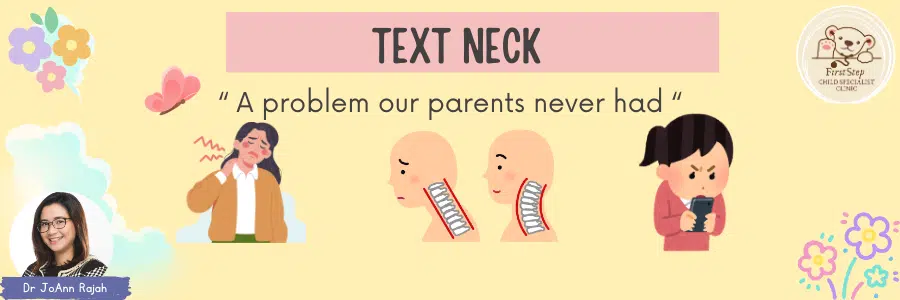
Text Neck
Text Neck: A Modern Problem Affecting Our Children
Text neck is something our parents never worried about — but it’s becoming increasingly common among children today. 😣
Neck pain, stiff shoulders, headaches, and poor posture are all linked to hours spent looking down at smartphones, tablets, or computers. While technology has brought many benefits, it has also introduced new physical challenges for growing children, challenges their bodies were never designed to face for long periods.
When a child tilts their head forward even slightly, the muscles of the neck must work two to four times harder than usual. Over time, this strain can quietly affect their developing spine, leading to discomfort and potential posture issues.

Bad posture vs good posture – text neck
The good news is that text neck is largely preventable. By creating awareness and encouraging healthy habits, parents can help their children maintain proper posture while still enjoying technology safely.
What Exactly Is “Text Neck”?
Text neck refers to the stress and strain placed on the neck and upper spine when a person repeatedly bends their head forward while looking at a screen.

A person repeatedly bends their head forward while looking at a screen.
Many children hold devices low in their hands or on their laps, which naturally causes them to tilt their heads downward for extended periods. Even a small forward tilt can significantly increase the load on the neck muscles. While an upright head position allows the neck muscles to support the head comfortably, tilting forward increases the pressure, sometimes by two to four times the weight of the head.
Repeatedly maintaining this posture can lead to muscle fatigue, soreness, and changes in posture over time.
Common Symptoms of Text Neck in Children
Parents may not immediately connect screen time with physical complaints. Common signs include:
-
Neck pain or soreness
-
Stiff shoulders
-
Headaches
-
Upper back discomfort
-
Forward head posture or rounded shoulders
Some children may not complain at all, but poor posture may become noticeable over time. Because children are still growing, developing poor posture habits early on can affect their musculoskeletal health in the long term.
Why Children Are More Vulnerable
Children are particularly susceptible to text neck for several reasons:
-
Developing musculoskeletal system – Their bones, muscles, and ligaments are still growing. Continuous strain may lead to habitual posture problems.
-
Extended screen use – Children often become absorbed in games, videos, or online learning, remaining in the same position for long periods.

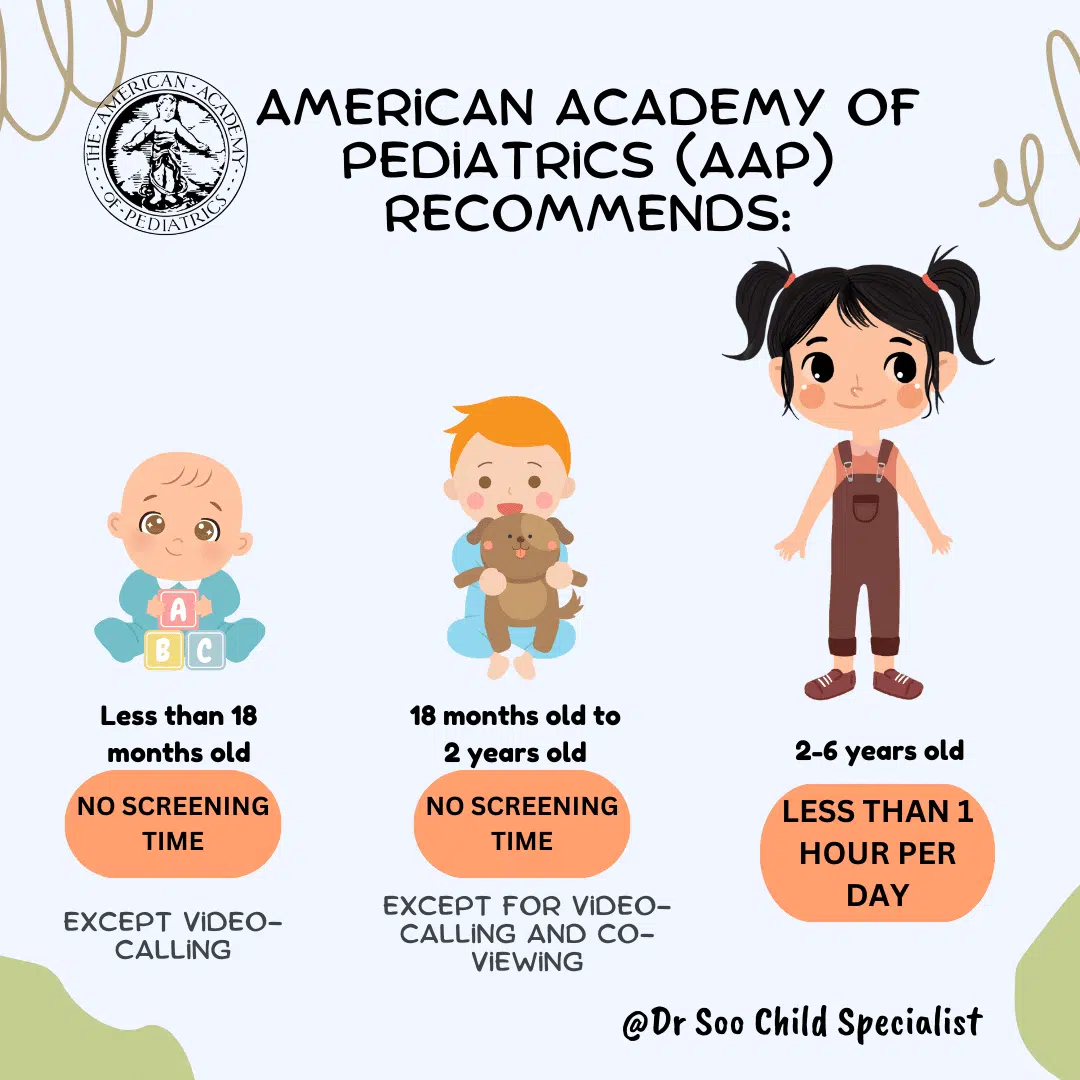
Screen time impact
-
Reduced physical activity – Modern lifestyles often replace active play with sedentary screen time, limiting the natural strengthening of muscles that support posture.
The Hidden Impact on Posture and Spine
One of the biggest concerns with text neck is not just temporary discomfort but long-term posture changes.
Forward head posture occurs when the head gradually moves in front of the shoulders rather than staying aligned above them. This increases the pressure on the spine and surrounding muscles, potentially causing:
-
Chronic neck and shoulder tension
-
Reduced flexibility in the neck
-
Upper back fatigue
-
Changes in spinal alignment over time
For growing children, establishing good posture early is essential for healthy musculoskeletal development.
Practical Tips to Prevent Text Neck
The good news is that text neck is preventable. Parents can implement simple habits to protect their children’s posture:
1. Regular Screen Breaks
Encourage children to take breaks every 20–30 minutes to stand, stretch, or walk. Short pauses allow neck muscles to relax and prevent fatigue.
2. Devices at Eye Level
Position screens closer to eye level whenever possible. This helps maintain a neutral head position, reducing neck strain. Stands or supportive surfaces for tablets and laptops can make a big difference.
3. Proper Study Setup
Ensure chairs and desks support good posture:
-
Feet flat on the floor
-
Back supported
-
Screen at eye level
-
Keyboard and desk at a comfortable height

Wrong posture and correct posture for the study setup
4. Outdoor Play and Movement
Active play strengthens postural muscles and promotes natural body movement. Encourage daily activities like running, cycling, or sports to balance sedentary screen time.
5. Gentle Neck and Shoulder Stretches
Teach children to stretch after screen use:
-
Tilt the head side to side slowly
-
Roll shoulders backward
-
Gently stretch the front of the neck
These exercises relax muscles and reduce tension.
Building Healthy Digital Habits
Technology is a part of life, and the goal is not to eliminate it but to use it safely. Parents can model good posture, set screen time limits, and encourage movement breaks to help children develop lifelong healthy habits.
Conclusion
Text neck may be a modern problem, but it doesn’t have to become permanent. Awareness, proper ergonomics, regular breaks, and physical activity can all help prevent neck strain and protect a child’s growing spine.
By taking simple steps today, we can ensure that our children enjoy the benefits of technology without compromising their posture, comfort, or long-term musculoskeletal health.

Your trusted consultant pediatrician
Dr Charlotte Gan is a Specialist in Child and Adolescent Health (Paediatrics) with over 10 years of experience providing paediatric care in Malaysia. She has trained in both district and tertiary healthcare settings and holds the Membership of the Royal College of Paediatrics and Child Health (MRCPCH), United Kingdom.
Her clinical expertise includes general paediatric care, management of complex and chronic childhood conditions, and family-centred care. Dr Charlotte is dedicated to supporting children and families through all stages of childhood health, providing thoughtful, personalised, and compassionate care.
She is committed to creating a supportive and reassuring environment where children feel comfortable, and parents feel confident discussing their child’s health concerns.
Visit Our Child Specialist Clinic Today!

Dr. Charlotte Gan is our resident doctor in Firststep Child Specialist Clinic in Ara Damansara