Teething in children
“It’s just teething…” — When Parents Should Look Deeper
By Dr Joann
“This is just teething, right?”
This is one of the most frequent assumptions I hear from parents. And it is understandable.
Teething often happens during a very busy stage of infancy. Around the same time teeth begin to erupt, babies are also more active, putting objects into their mouths, exploring their surroundings, and being exposed to new viruses. Because of this overlap, many parents naturally connect almost every new symptom to teething.
However, medically speaking, teething is often misunderstood and overattributed. While it can cause mild discomfort, it does not explain many of the symptoms parents commonly associate with it.
The aim here is not to worry parents, but to provide clarity so that we do not miss other illnesses that may need attention.
What Teething Actually Is
Teething is the process by which an infant’s teeth move through the gums and emerge into the mouth. This usually begins around 6 months of age, although timing varies between children.
This is a local process involving the gums only. It does not affect the whole body in the way infections do.
That distinction is very important. Local gum irritation should not be expected to cause widespread symptoms like high fever or persistent diarrhea.
What Teething CAN Cause
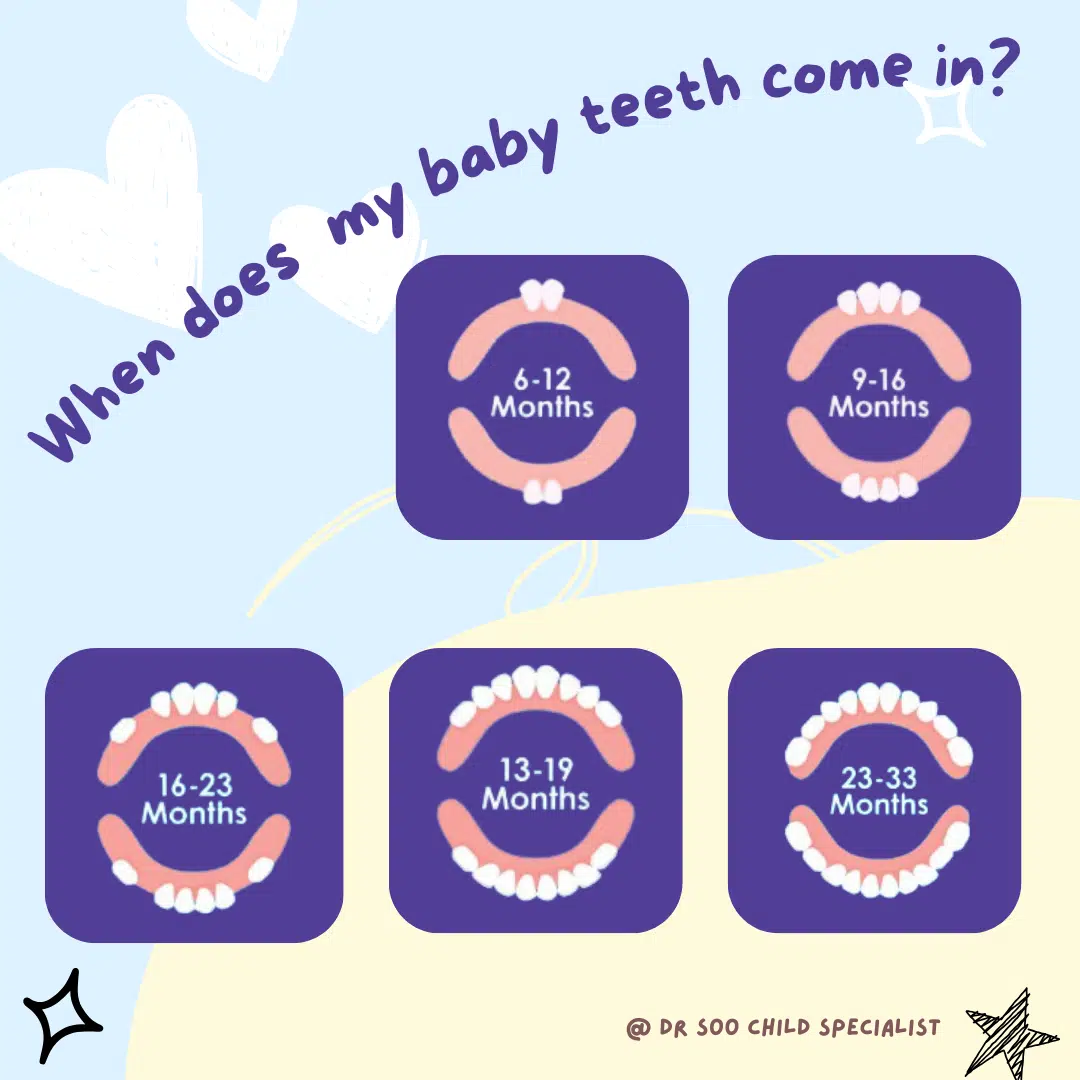
Teething
Teething can be uncomfortable, and it does come with some mild and temporary signs.
Babies may drool more than usual. This is often one of the earliest signs and can sometimes cause mild skin irritation around the mouth or chin.
They may chew on toys, fingers, or anything they can reach. This is a natural response to pressure in the gums.
Some babies may become mildly fussy or more clingy, especially during sleep or feeding times.
There may be a very slight rise in body temperature, but it is usually mild and short-lived, typically below 38°C.
These symptoms are generally mild, manageable, and temporary.
What Teething DOES NOT Cause
This is where many misconceptions occur.
Teething does not cause a high fever. A temperature above 38°C should not be attributed to teething alone and often suggests infection.
It does not cause a persistent runny nose or cough. Respiratory symptoms are usually due to viral infections, not teething.
It does not cause significant diarrhea. While saliva swallowing may slightly loosen stools, true frequent watery diarrhea is not a teething symptom.
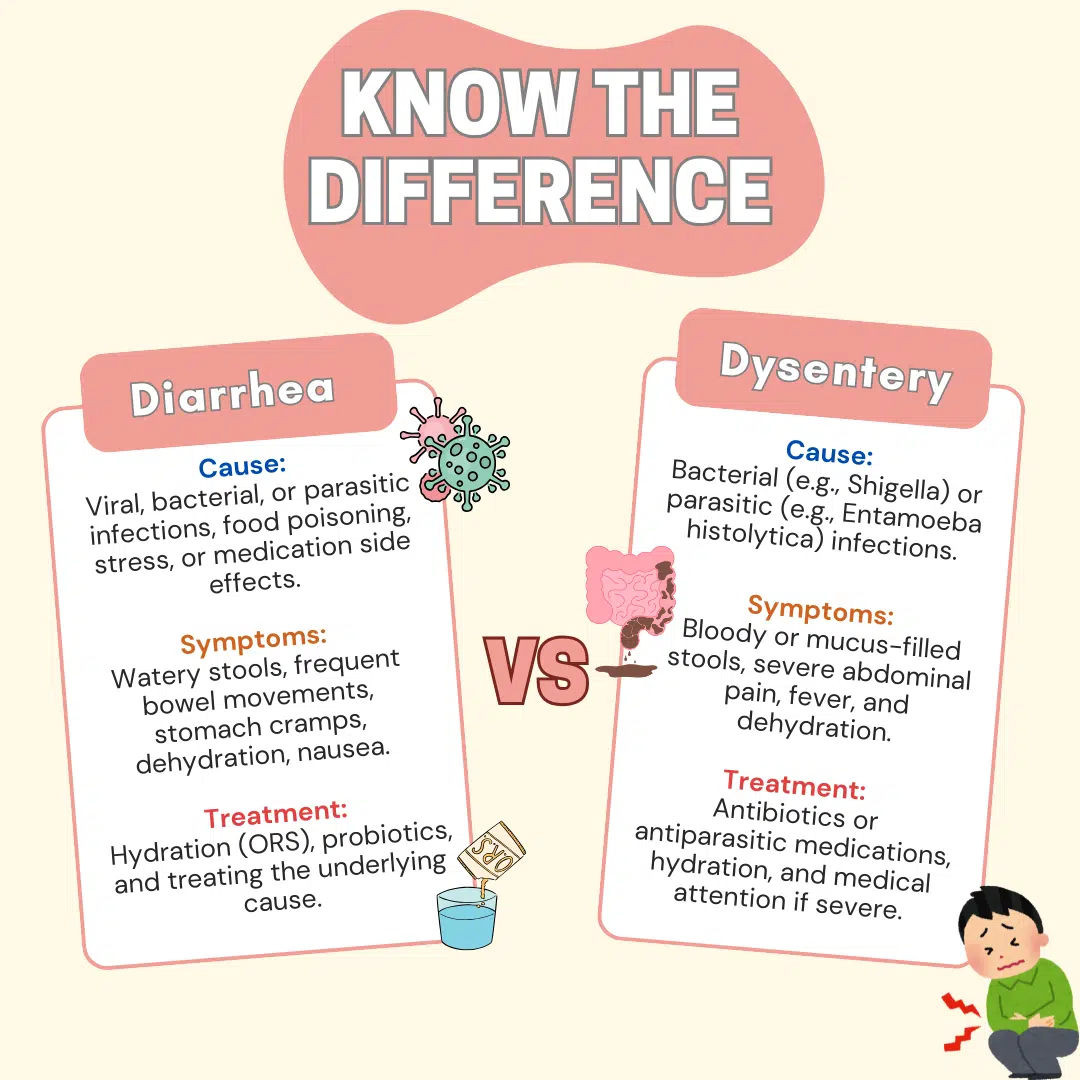
Diarrhea vs Dysentery-
It does not cause vomiting, marked loss of appetite, or significant feeding refusal.
It also does not cause unusual sleepiness, lethargy, or reduced responsiveness.
When these symptoms are present, it is important to consider other medical causes rather than assuming teething.
Why Parents Often Blame Teething
There are several understandable reasons why teething is often blamed.
The timing overlaps with common childhood infections. Babies at this age are frequently exposed to viruses as they begin to explore more.
Teething is also a familiar explanation passed down through generations. Families often use it as a reassurance to avoid unnecessary worry.
In addition, early symptoms of viral illnesses can be mild and easily mistaken for normal teething discomfort.
The Risk of Assuming It Is “Just Teething”
The concern is not teething itself, but what may be missed if we assume too quickly.
A child with a fever and a runny nose may actually have a viral infection.
A child pulling at the ear with a fever may have an ear infection.
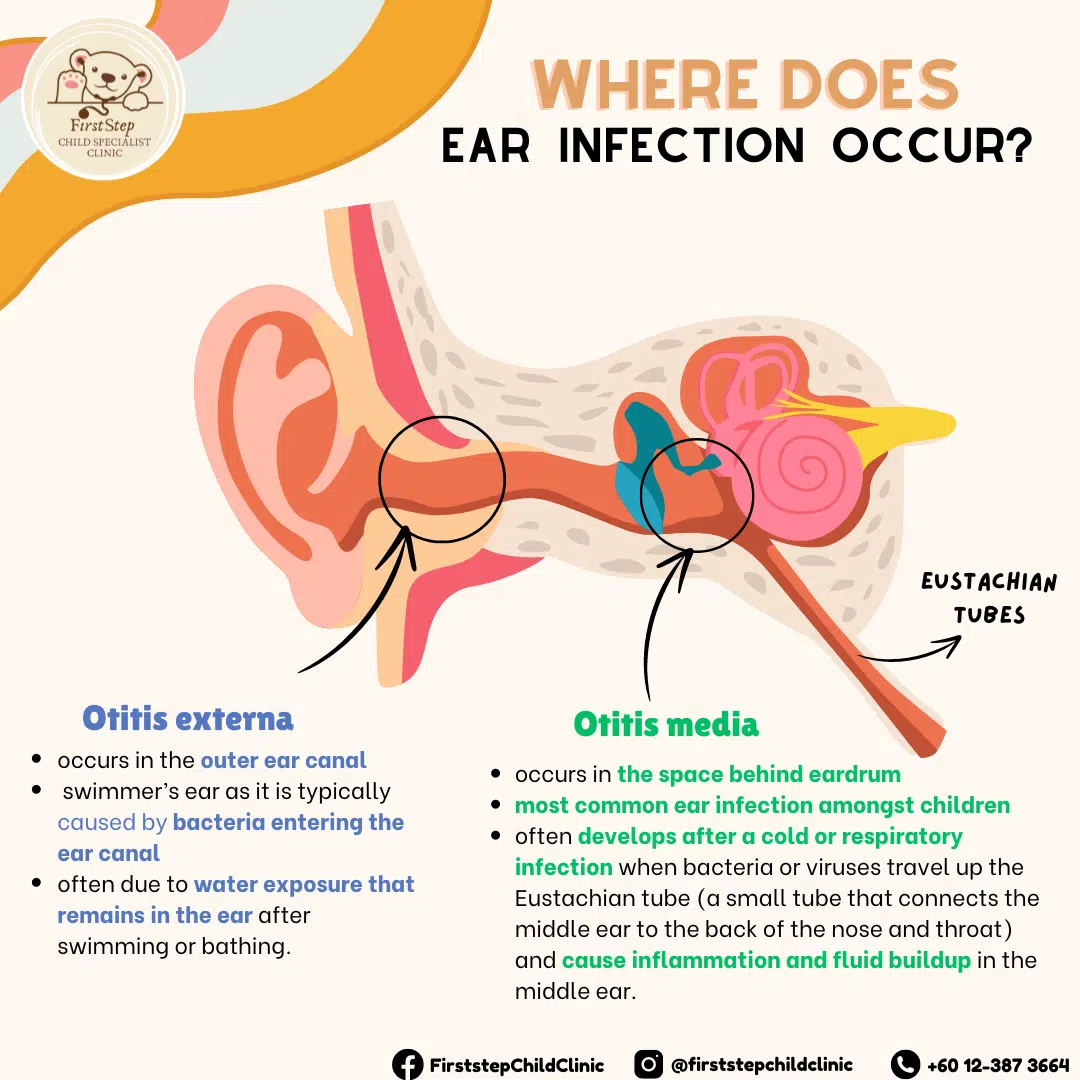
ear infection
A child with vomiting and diarrhea may be developing gastroenteritis.
If all these are labelled as teething, medical care may be delayed, and the child’s condition may worsen before proper treatment is given.
Safe Ways to Help a Teething Baby
If your baby is truly teething, there are safe ways to help them feel more comfortable.
You may offer a clean, chilled teething ring to help soothe the gums.
Gently massaging the gums with a clean finger can also provide relief.
Cool foods can be helpful for babies who have already started solids.
Keeping the skin around the mouth dry helps prevent irritation from drooling.
Most importantly, comfort, reassurance, and extra attention often help more than anything else.
Medication is usually not necessary unless advised by a doctor.
When to Seek Medical Advice
It is always better to seek medical advice when unsure.
You should consult a doctor if your child has a fever above 38°C, a persistent cough or runny nose, vomiting or diarrhea, poor feeding, unusual sleepiness, or symptoms lasting more than a couple of days.
Even if it turns out to be something mild, an assessment can provide reassurance and prevent complications.
A Message to Parents
Teething is a real developmental process, but it is often overused as an explanation for many childhood symptoms.
Most importantly, teething should not distract us from recognising signs of illness.
So the next time someone says, “It’s probably just teething,” it is worth taking a moment to reflect and observe more carefully.
Sometimes it really is teething. But sometimes, it is not.
And recognising the difference early can make all the difference for your child’s health.

Your trusted consultant pediatrician