Understanding Stress in Toddlers
Stress? When Big Feelings Show Up as Behaviour
By Dr Soo Hui Fang
Have you ever heard a toddler say, “I’m stressed”? Probably not! But that doesn’t mean young children don’t experience stress.
Just like adults, toddlers can feel overwhelmed, frustrated, anxious, or unsettled. The difference is that they may not yet have the words to explain what they are feeling.
Instead, stress often shows up through their behaviour.
How Does Stress Look in Toddlers?
Every child responds differently, but some common signs of stress may include:
-
Frequent tantrums: Getting upset easily or having difficulty calming down.
-
Clinginess: Wanting to stay close to parents or caregivers more than usual.
-
Irritability: Becoming frustrated over small things.
-
Changes in sleep: Having difficulty falling asleep or waking up more frequently.
-
Withdrawal: Becoming quieter, less playful, or avoiding interaction.
-
Changes in appetite: Eating less or becoming more selective with food.

Food preferences
These behaviours are not necessarily signs of stress, but they may be clues that your child is having a difficult time.
How Can Parents Help?
The most important thing is to remember that young children need support to understand their feelings.
Here are a few simple ways parents can help:
1. Stay Calm During Difficult Moments
When your child has a tantrum, try to remain calm. Your response can help them feel safe and supported.
2. Acknowledge Their Feelings
Instead of saying, “Stop crying,” try saying, “I know you’re upset because playtime is over.”
This helps your child gradually learn to recognise and understand their emotions.
3. Keep a Consistent Routine
Predictable routines can help toddlers feel more secure because they know what to expect throughout the day.
4. Make Time for Connection
Spend quality time playing, talking, reading or simply cuddling with your child. Sometimes, what they need most is your attention and reassurance.
5. Watch for Changes in Behaviour
Pay attention to patterns. If your child becomes unusually clingy, irritable or withdrawn, consider whether something in their environment or routine may be affecting them.
When Should Parents Be Concerned?
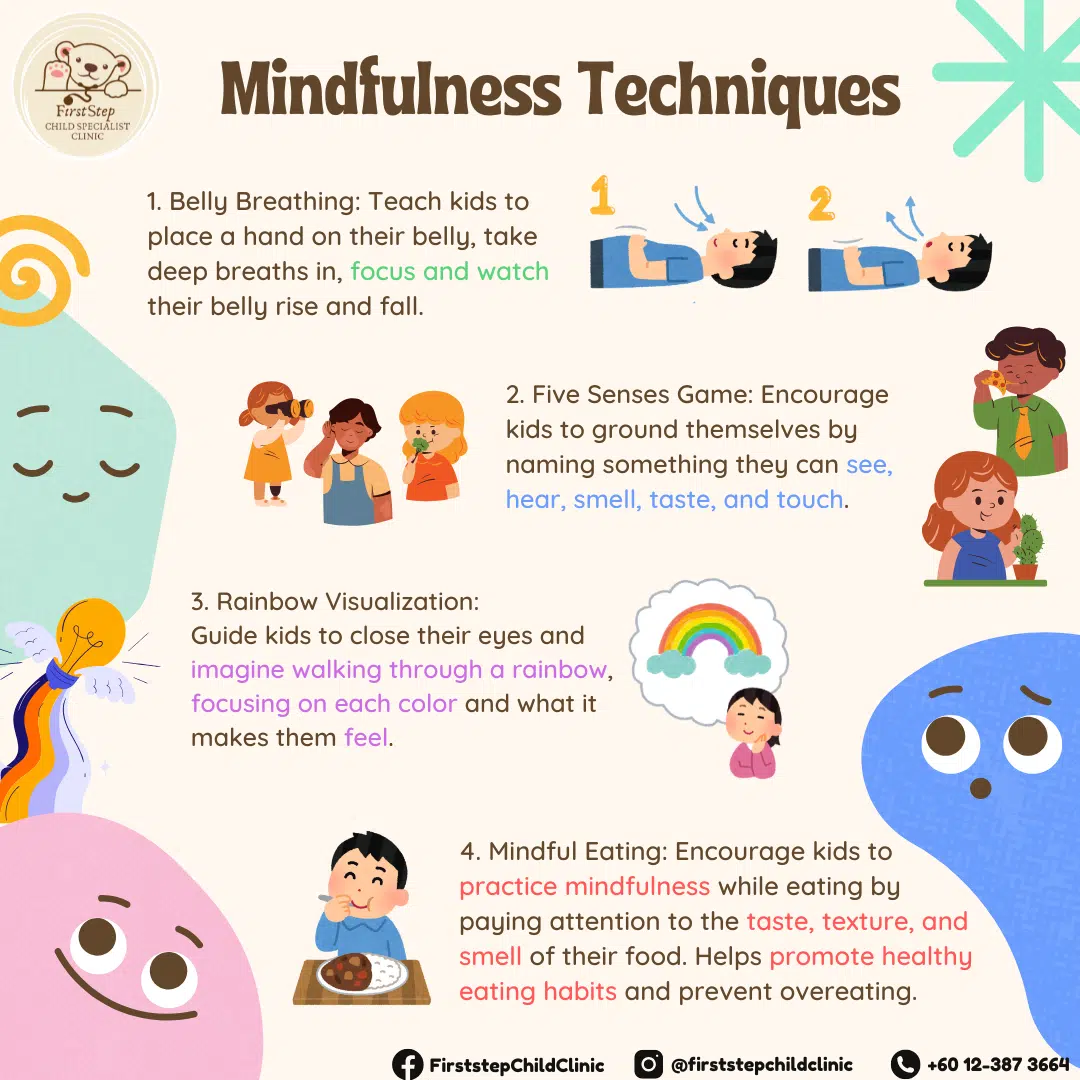
Mindfulness Magic
Occasional tantrums and emotional changes are part of growing up. However, if behavioural changes are persistent, becoming more intense or affecting your child’s sleep, eating, relationships or daily activities, consider speaking to a paediatrician for guidance.
Early support can help identify what your child may be experiencing and how best to support them.
A Little Reminder for Parents ❤️
Your toddler may not be able to say, “I’m stressed,” “I’m overwhelmed,” or “I need help.”
But sometimes, their behaviour is their way of communicating these feelings.
Instead of immediately labelling a behaviour as naughty or difficult, take a moment to understand what might be behind it.
Because sometimes, children don’t need us to correct their behaviour first. They need us to understand what they’re trying to tell us.

Dr Soo Hui Fang