
Your Pump Is Not Your Baby
Why Pump Output Doesn’t Define Your Milk Supply
By Dr Joann Rajah
One of the most common questions heard from breastfeeding mothers is, “Doctor, am I making enough milk?“
Recently, a mother shared that she could only pump about 120 mL from both breasts combined. She had seen videos on social media of mothers expressing 150 mL from each breast, and it left her wondering if her baby was getting enough milk during direct breastfeeding.
If you’ve ever had the same worry, here’s something every breastfeeding mother should remember:
Your Pump Is Not Your Baby
The amount of milk you express with a breast pump does not accurately measure how much milk your body produces.
A breast pump is simply a tool, while your baby is designed to breastfeed. Most healthy babies are much more efficient at removing milk than even the best breast pump. Some mothers produce plenty of milk but express only a small amount, while others respond very well to pumping.
This means that low pump output does not automatically mean low milk supply.

Breastfeeding facts
Every Mother’s Breastfeeding Journey Is Different
No two mothers breastfeed the same way.
One important reason is that milk storage capacity varies from one mother to another. Some mothers naturally store more milk between feeds, while others store less but produce milk more quickly throughout the day. Both are completely normal.
In addition, pump output can be influenced by many factors, including stress, fatigue, hydration, time of day, pump settings, and whether you’ve recently fed your baby.
Comparing your pumping volume with another mother’s simply isn’t a fair comparison because every body responds differently.
Focus on Your Baby, Not the Bottle
As paediatricians, we don’t judge milk supply based on the amount collected in a bottle alone.
Instead, we look at your baby’s overall well-being.
Your baby is likely getting enough milk if they are:
- Feeding actively and effectively
- Having an appropriate number of wet and dirty diapers
- Gaining weight well
- Growing and meeting developmental milestones
These signs provide much more reliable information than the number of millilitres you pump.
Social Media Doesn’t Tell the Whole Story
Social media can be a wonderful place to find support, but it can also create unrealistic expectations.
Posts showing bottles filled with breast milk or freezers stocked with hundreds of bags often receive the most attention. However, they don’t show the full picture. Some mothers exclusively pump, some naturally have a larger milk storage capacity, while others may even experience oversupply, which can come with its own challenges.
These experiences are real, but they are not the standard that every mother should aim for.
Your breastfeeding journey should never be measured against someone else’s highlight reel.
Breastfeeding Is More Than Millilitres
Breastfeeding isn’t just about the amount of milk transferred. It also provides comfort, warmth, immune protection, and an opportunity to strengthen the bond between mother and baby.
When your baby breastfeeds, they aren’t simply drinking milk—they are finding reassurance, security, and connection with you.
Those moments cannot be measured by a breast pump.
When Should You Seek Advice?
While pump output alone is not a reliable indicator of milk supply, there are times when it’s important to speak to your healthcare provider or a lactation consultant.
Seek professional advice if your baby is feeding poorly, has significantly fewer wet diapers than expected, is not gaining weight appropriately, or if breastfeeding is consistently painful or difficult.
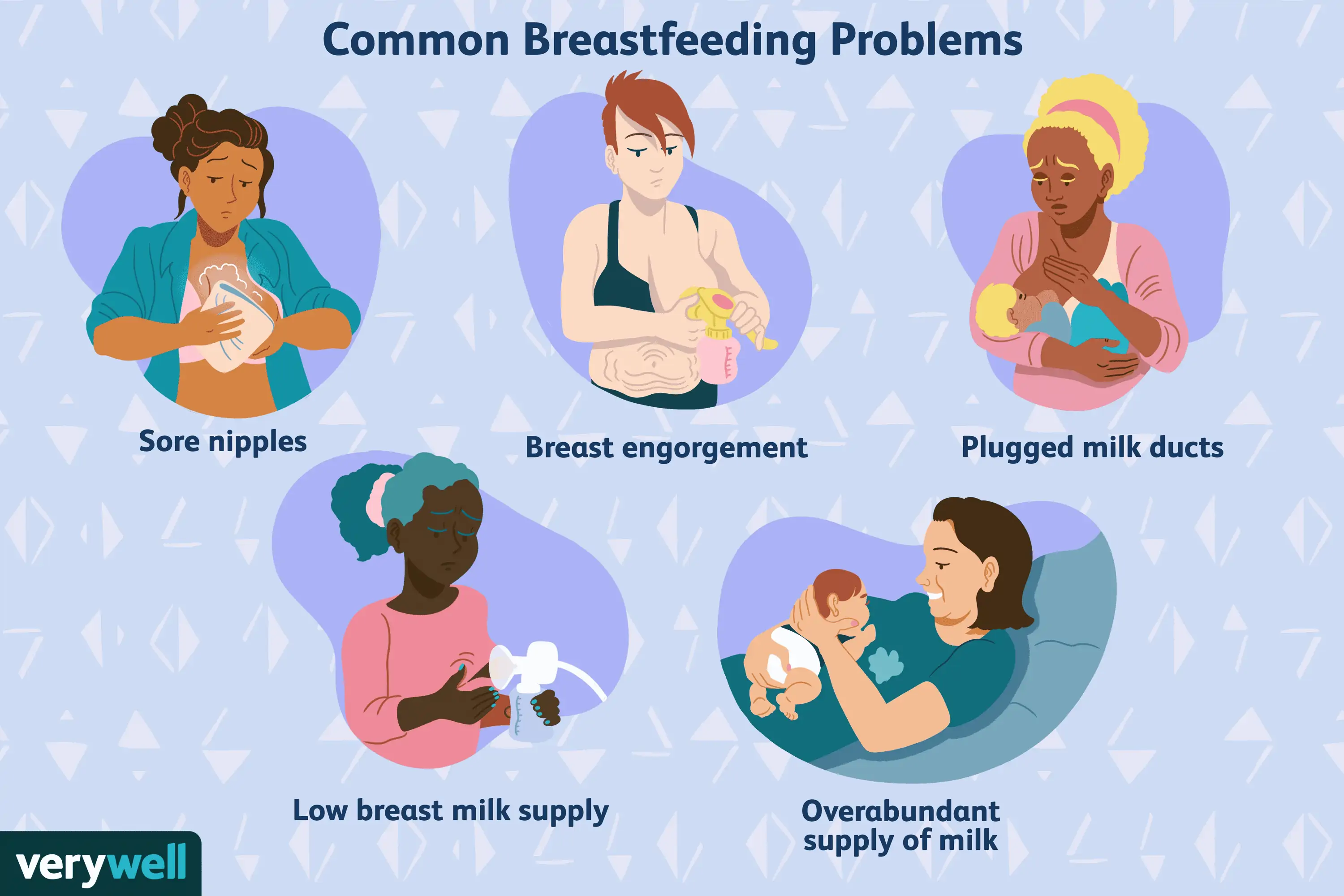
Early support can make a significant difference and help address concerns before they become bigger challenges.
A Final Reassurance
If you’ve ever looked at your pump bottle and wondered if you were producing enough milk, please remember this:
Your pump is not your baby.
Your success as a breastfeeding mother is not measured by the number of millilitres you express. What matters most is that your baby is feeding well, growing healthily, and thriving.
Every mother has a unique breastfeeding journey, and comparison only creates unnecessary worry.
Instead of comparing bottles, look at your baby. Their growth, health, and happiness are the best signs that your body is doing exactly what it was designed to do.
Be kind to yourself, trust the process, and remember that your worth as a mother will never be measured in millilitres.

Your trusted consultant pediatrician