My Child Drinks Everything… Except Water!
Why Kids Say NO to Water?
By Dr Joann
“Milk? Yes. Juice? Yes. Soup? Yes. Water? No!”
If this sounds familiar, you’re certainly not alone. One of the most common concerns I hear from parents is that their child refuses to drink plain water. Instead, they happily reach for milk, juice, or other flavoured beverages while pushing away a cup of water.
While this can be frustrating, it is actually quite common among young children. The good news is that with patience and a few simple strategies, most children can learn to enjoy drinking water as part of their daily routine.
Why Is Water So Important?
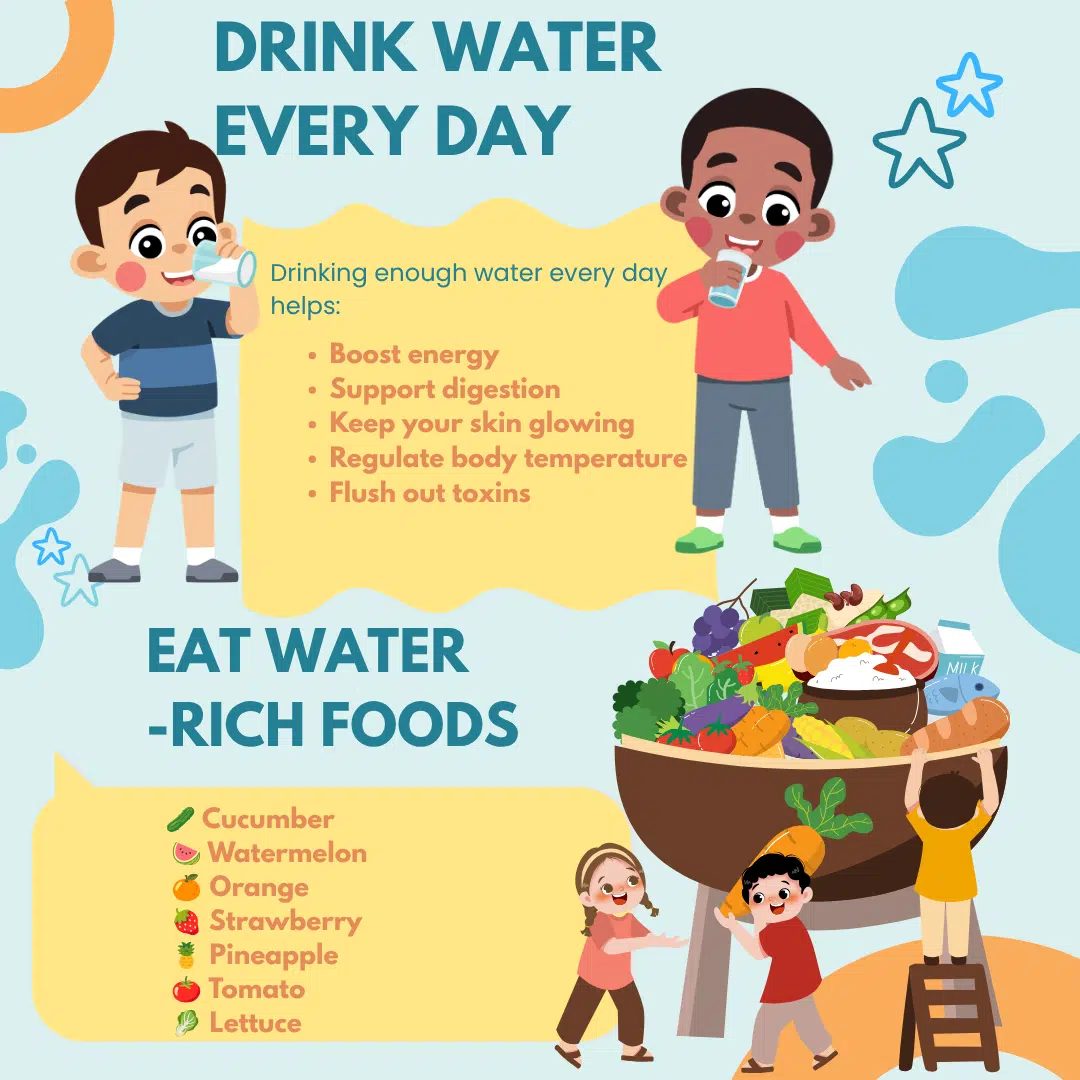
How to stay hydrated? – Drink water
Water plays an essential role in keeping a child’s body healthy. It helps regulate body temperature, supports digestion, transports nutrients throughout the body, and keeps the brain and muscles functioning well. Proper hydration also helps prevent constipation, supports healthy kidney function, and keeps children active and energetic throughout the day.
Although milk provides important nutrients such as calcium and protein, it should not completely replace water. As children grow and become more active, they need plain water to stay properly hydrated.
Why Do Some Children Refuse Water?
There are several reasons why children may avoid drinking plain water.
Many young children naturally prefer sweet flavours. After becoming used to milk, fruit juices, or flavoured drinks, plain water may seem less appealing.
Some toddlers are too busy exploring and playing. Drinking water may not seem as exciting as running around or playing with their favourite toys, so they forget to drink altogether.
Others may have formed habits where they only ask for milk or sweetened drinks because those are what they are most often offered.
Fortunately, these habits can usually be changed over time.
Simple Ways to Encourage Your Child to Drink More Water
1. Make Water Fun
Children are often attracted to colourful and exciting things. Allow your child to choose a water bottle featuring their favourite colour, cartoon character, or animal. Having a special bottle of their own can make them more interested in drinking from it.

Some children also enjoy using fun straws or cups with interesting designs.
2. Add Natural Flavour
If your child finds plain water too boring, try naturally flavouring it by adding slices of fresh fruit such as strawberries, oranges, apples, lemons, or cucumber.
This gives the water a refreshing taste without the added sugar found in juices or sweetened beverages.
Avoid adding sugar, syrups, or sweetened flavourings, as these can encourage a preference for sweet drinks.
3. Be a Good Role Model
Children learn by watching the adults around them. If they regularly see parents and siblings drinking water during meals and throughout the day, they are more likely to copy the behaviour.
Try making drinking water a family habit instead of only reminding your child to drink.
4. Offer Water Regularly
Instead of waiting until your child says they are thirsty, offer small amounts of water throughout the day.
For example, encourage a few sips after outdoor play, before meals, after meals, and during story time or quiet activities. Frequent small sips are often easier than expecting a child to finish an entire cup at once.
5. Avoid Pressure or Punishment
It’s understandable to become frustrated when your child repeatedly refuses water. However, forcing them to drink or turning it into a battle often makes them resist even more.
Instead, gently offer water without pressure. Praise your child when they choose water, even if they only take a few sips. Positive encouragement usually works much better than forcing or scolding.
Should Children Drink Juice Instead?
Many parents believe fruit juice is a healthy substitute for water. While 100% fruit juice does contain some vitamins, it also contains natural sugars and should be consumed in moderation.
Whole fruits are a much healthier choice because they provide fibre in addition to vitamins and minerals. Whenever possible, encourage children to eat fresh fruits and drink plain water instead of relying on juice to stay hydrated.
How Do You Know If Your Child Is Drinking Enough?
A well-hydrated child usually has pale yellow or clear urine and passes urine regularly throughout the day. They remain active, alert, and generally appear well.
Signs that your child may not be drinking enough water include dark yellow urine, dry lips, a dry mouth, reduced urination, tiredness, dizziness, or constipation. During hot weather, illnesses with fever, vomiting, or diarrhoea, children may need even more fluids to replace what they have lost.
If your child appears unusually sleepy, is unable to keep fluids down, has signs of dehydration, or if you are concerned about their fluid intake, it is important to seek medical advice promptly.
The Take-Home Message
Helping a child develop healthy hydration habits takes time. Every child is different, and it is perfectly normal for some to need a little extra encouragement.
Rather than focusing on how much water they drink in a single sitting, aim to make water easily available, enjoyable, and part of your family’s everyday routine. A fun water bottle, a slice of fresh fruit, positive encouragement, and leading by example can all make a big difference.
Remember, small, consistent changes often lead to lasting healthy habits. With patience and persistence, most children will gradually learn that water is the best drink to keep them healthy, active, and ready for every new adventure.

Your trusted consultant pediatrician