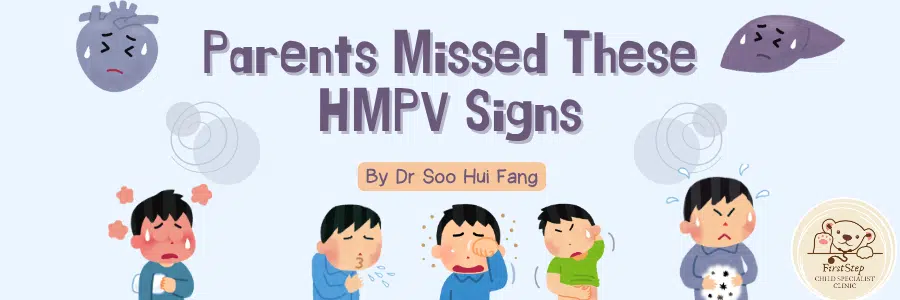
When a “Simple Viral Fever” May Be More Than That
Is it really just a Viral Fever?
By Dr Soo
One of the most common reasons parents bring their children to the clinic is fever. Often, the first question:
“Doctor, is it just a viral fever?”
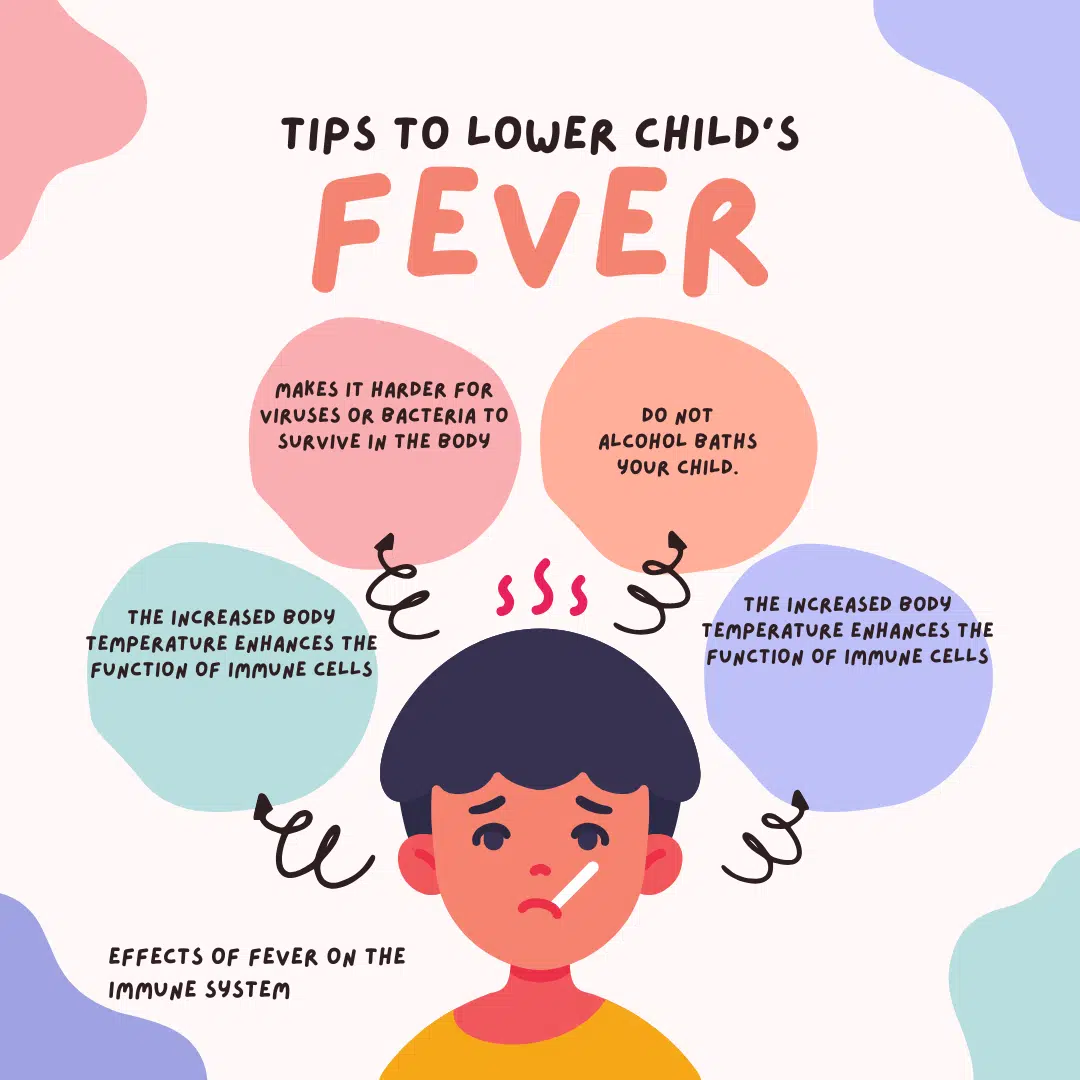
Tips to lower a child’s fever
In many cases, the answer is yes. Viral infections are extremely common in children, especially those attending daycare or school. Most viral illnesses are self-limiting and improve with supportive care such as adequate fluids, rest, and fever management.
However, what many parents may not realize is that some respiratory viruses can initially look very similar to a simple viral fever during the first few days of illness. The symptoms may seem mild at the beginning, but as the infection progresses, the child may develop signs that suggest involvement of the lower respiratory tract.
One such virus that has gained attention in recent years is Human Metapneumovirus (HMPV).
What Is HMPV?
Human Metapneumovirus, commonly known as HMPV, is a respiratory virus that can affect people of all ages, but it is particularly common in infants and young children.
In fact, most children will have been exposed to HMPV by the time they reach five years of age.
HMPV spreads through respiratory droplets when an infected person coughs or sneezes. It can also spread through direct contact with contaminated surfaces, making it easy for the virus to circulate within households, childcare centres, and schools.
Like many respiratory viruses, HMPV infections often occur during seasonal peaks and can resemble illnesses caused by influenza, respiratory syncytial virus (RSV), adenovirus, or even the common cold.
Why Can It Be Difficult to Recognize Early?
One of the challenges with HMPV and many respiratory infections is that the early symptoms are often very nonspecific.
During the first one to two days, a child may simply have:
- Fever
- Runny nose
- Mild cough
- Reduced appetite
- Irritability
- Fatigue
At this stage, it may appear no different from a routine viral illness.
Many children continue to remain active, playful, and relatively comfortable despite having a fever. As a result, parents may assume the illness is mild and improving.
However, respiratory viruses often follow a predictable pattern in which symptoms evolve over several days.
Why Day 3 to Day 5 Is Important
One of the most important things I tell parents is that some children may appear worse before they start getting better.
This is especially true between Day 3 and Day 5 of the illness.
During this period, inflammation within the airways may increase. Mucus production can become more significant, and the smaller air passages in the lungs may become narrowed.
As a result, symptoms that were initially mild may become more noticeable.
Parents should pay close attention if they observe:
1. Increasing Frequency of Cough
A cough that becomes more persistent or frequent can be a sign that the infection is affecting the lower respiratory tract.
The cough may occur throughout the day and night and may begin to interfere with sleep.
2. More Phlegm or Noisy Breathing
Some children develop increased mucus production, leading to phlegmy coughs or rattling sounds when breathing.
Young children are often unable to effectively clear mucus from their airways, which can make breathing more difficult.
3. Wheezing
Wheezing is a high-pitched whistling sound heard when air moves through narrowed airways.
Certain respiratory viruses, including HMPV, can trigger wheezing episodes, particularly in children who have sensitive airways or a history of wheezing.
4. Fast Breathing
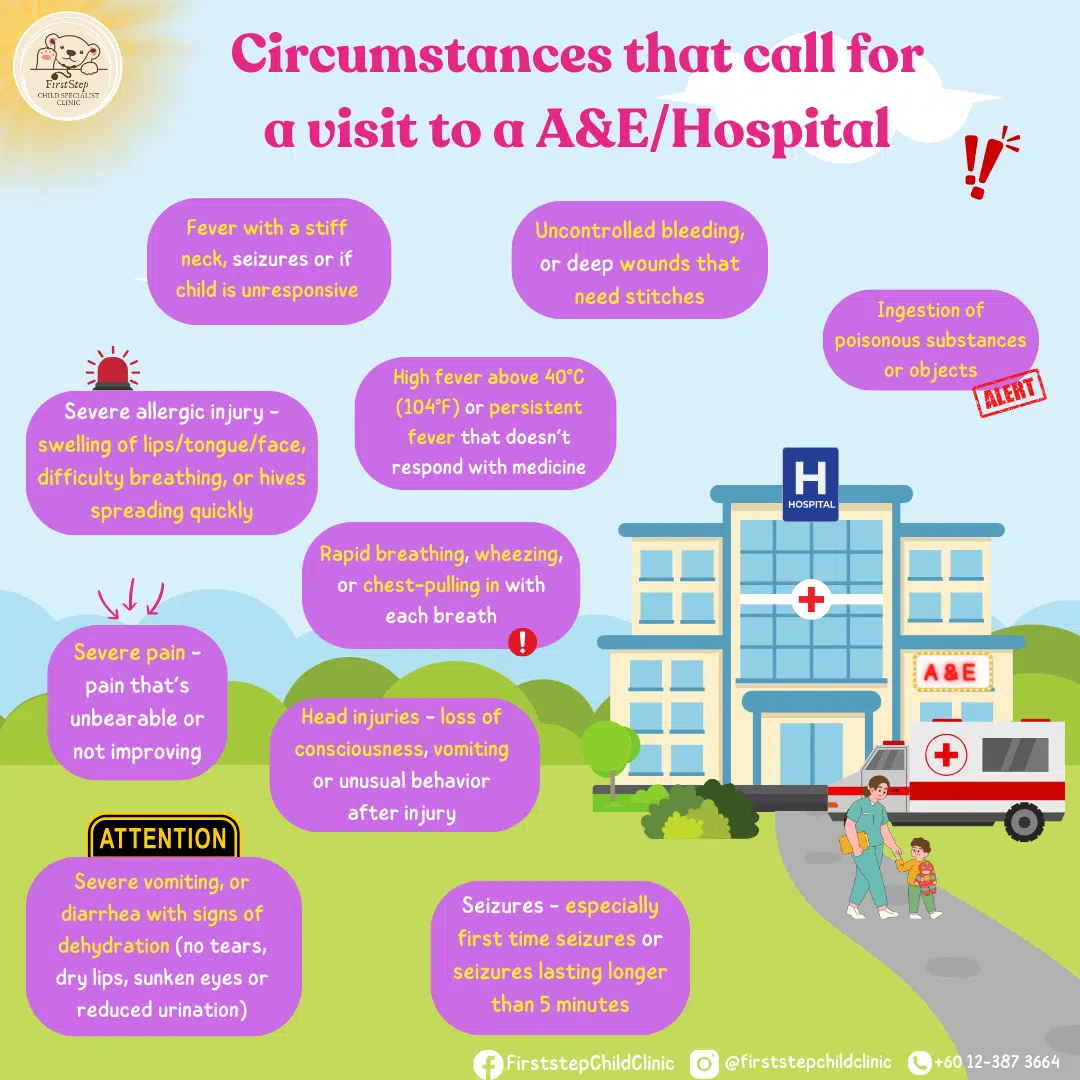
Do you know where to bring your sick child
An increased breathing rate is one of the most important warning signs that parents should watch for.
Children naturally breathe faster than adults, but a noticeable increase in breathing effort should never be ignored.
If your child seems to be breathing much faster than usual, it may indicate that the lungs are working harder to obtain adequate oxygen.
5. Chest Retractions (Chest Pulling In)
When breathing becomes difficult, children may use extra muscles to help expand their lungs.
Parents may notice the skin pulling inward between the ribs, beneath the rib cage, or around the collarbone area with each breath.
This is known as chest retraction and is a sign that the child is putting in extra effort to breathe.
6. Nose Flaring
In younger infants, the nostrils may widen with each breath.
Nose flaring is another indication that the body is trying to improve airflow and may signal increased respiratory distress.
Which Children Are at Higher Risk?
Although most healthy children recover completely from HMPV and other respiratory viral infections, certain groups may be more vulnerable to complications.
These include:
- Infants under one year of age
- Premature babies
- Children with chronic lung disease
- Children with congenital heart disease
- Children with weakened immune systems
- Children with underlying neurological conditions
These children may require closer monitoring and earlier medical assessment if symptoms worsen.
When Should Parents Seek Medical Attention?
It is advisable to seek medical review if your child develops:
- Fast or difficult breathing
- Chest retractions
- Persistent wheezing
- Poor feeding or drinking
- Signs of dehydration
- Excessive sleepiness
- Bluish lips or skin
- Fever that persists longer than expected
- Symptoms that are progressively worsening instead of improving
Parents know their children best. If your child appears significantly different from their usual self or if you are concerned about their breathing, it is always appropriate to seek medical advice.
The Take-Home Message
Not every fever is simply “just a viral fever.”
Respiratory infections such as HMPV can initially look mild and may resemble many other common childhood illnesses. The first few days often provide only part of the picture.
The most valuable observation parents can make is not just monitoring the fever but watching how their child is breathing.
Pay attention to changes in cough, wheezing, breathing rate, chest movements, and overall energy levels.
Remember that some children may seem worse around Day 3 to Day 5 before they gradually recover. Understanding this pattern allows parents to recognize when symptoms are following a typical course and when additional medical assessment may be necessary.
When it comes to respiratory infections, the thermometer is only one piece of the puzzle. Your child’s breathing often tells the more important story.

Dr Soo Hui Fang